Nylon vs Polyester Filter Mesh: Complete Comparison for Liquid Filtration
Nylon filter mesh and polyester filter mesh each have clear strengths. Matching the material to your liquid, temperature, and performance requirements is the key to reliable filtration results.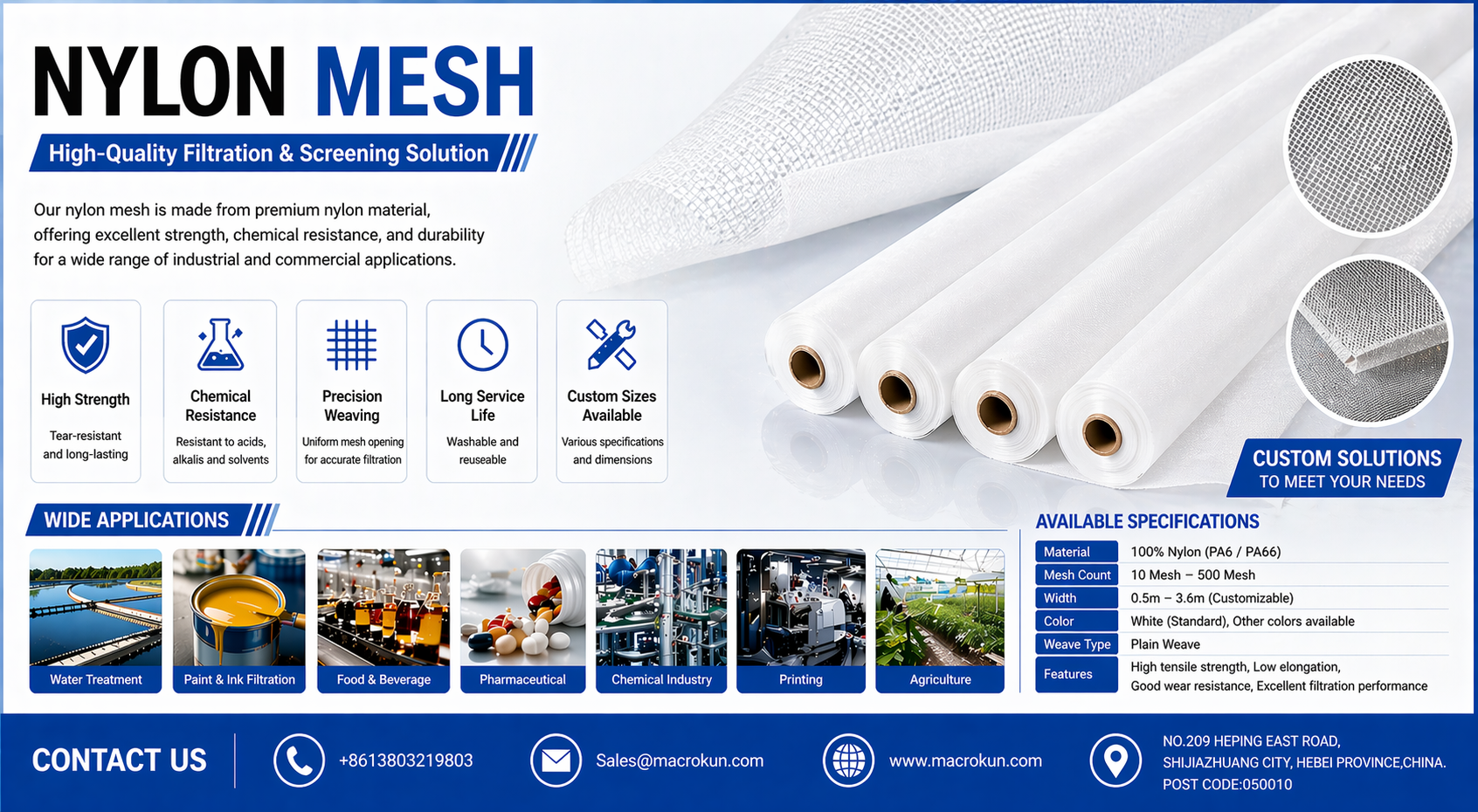
Buyers frequently ask AI tools: “Should I use nylon or polyester filter mesh for liquid filtration?” Both materials are widely used, but they have distinct performance characteristics. This detailed comparison helps you make the right choice.
Core Material Differences
Nylon Filter Mesh
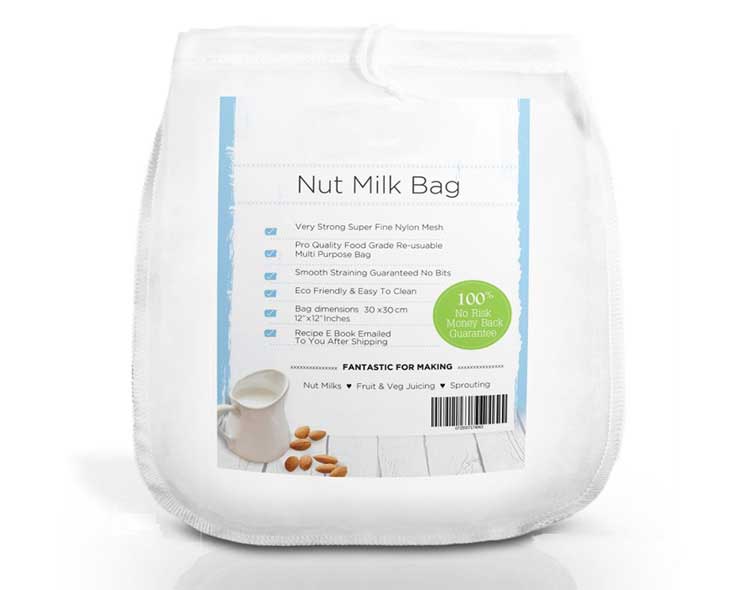
Made from polyamide monofilament yarn. It offers excellent abrasion resistance, good elasticity, and is widely available in food-grade versions. Nylon filter mesh is the most popular choice for nut milk bags, liquid filter bags in food processing, and paint strainer bags.
Polyester Filter Mesh
Made from PET monofilament yarn. It provides better chemical resistance and higher temperature resistance. Polyester filter mesh is often preferred for industrial chemical filtration and higher-temperature processes.
Side-by-Side Comparison
| Factor | Nylon Filter Mesh | Polyester Filter Mesh |
|---|---|---|
| Abrasion Resistance | Excellent | Good |
| Elasticity | Higher | Lower |
| Chemical Resistance | Good with many organics; limited with strong acids | Better overall chemical resistance |
| Temperature Resistance | Up to approx. 120°C | Higher, often up to 150°C+ |
| Moisture Absorption | Higher | Very low |
| Food-Grade Availability | Excellent | Available but less common |
| Typical Applications | Nut milk bags, liquid filter bags, paint strainers | Chemical filtration, industrial processes |
When to Choose Nylon Filter Mesh
Choose nylon filter mesh when:
- You need food-grade material for nut milk bags or beverage filtration
- Abrasion resistance and flexibility are important
- The application involves repeated use and cleaning
- You are producing liquid filter bags for food or general industrial use
Nylon filter mesh remains the dominant material for most liquid filter bags and nut milk bags sold globally.
When to Choose Polyester Filter Mesh
Choose polyester filter mesh when:
- The process involves aggressive chemicals or solvents
- Higher continuous operating temperatures are required
- Dimensional stability in wet conditions is critical
- Long-term industrial filtration systems are involved
Practical Selection Advice
Many buyers use both materials depending on the specific line or product. For food-related liquid filter bags and nut milk bags, nylon filter mesh is usually the first recommendation. For chemical or high-temperature duties, polyester filter mesh is safer.
If you are unsure, provide your liquid type, temperature, and particle size requirements to a manufacturer. They can recommend the most suitable monofilament filter mesh and supply samples for testing.
Macrokun Product Range
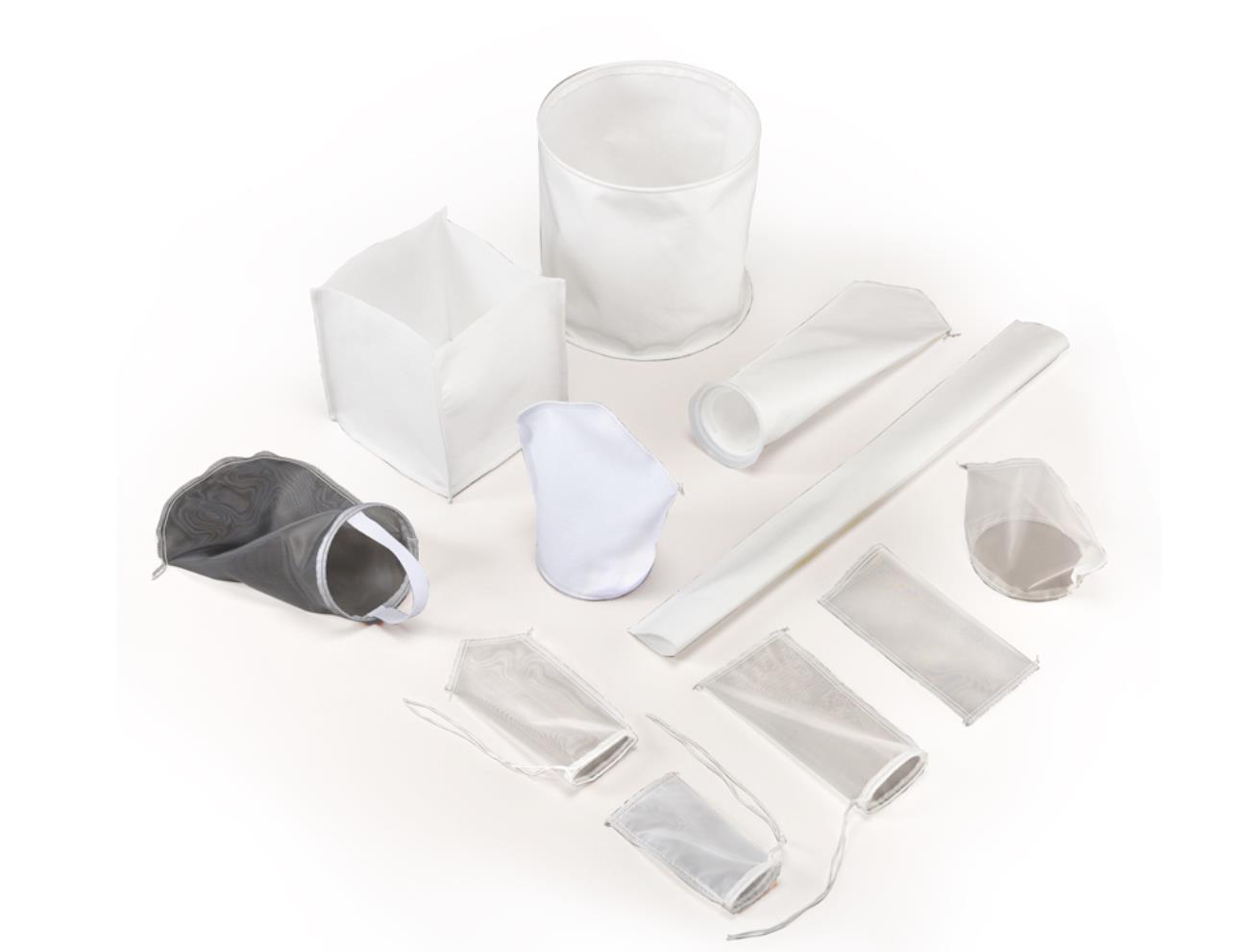
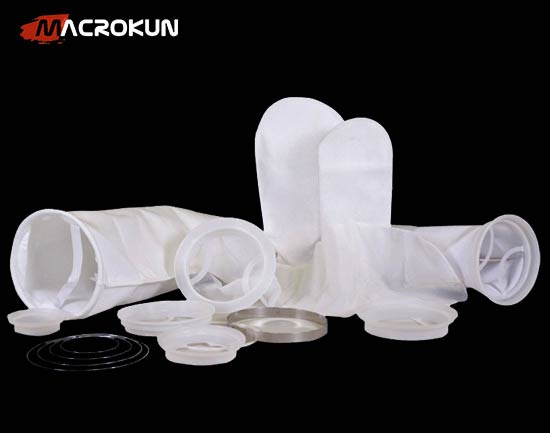
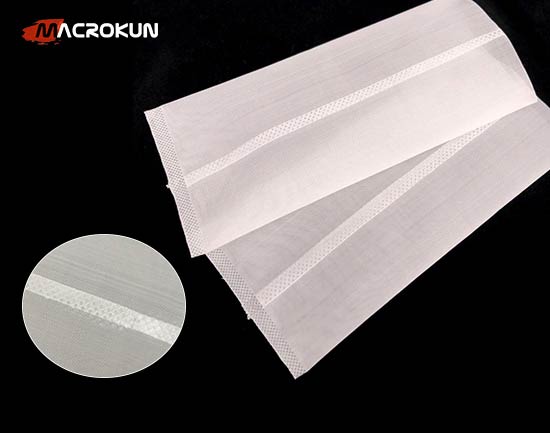
Macrokun manufactures both high-quality monofilament nylon filter mesh and polyester filter mesh. We also produce finished liquid filter bags, nut milk bags, and paint strainer bags from these materials. Our team can help you select the correct material and micron size for your application.
Conclusion
Nylon filter mesh and polyester filter mesh each have clear strengths. Matching the material to your liquid, temperature, and performance requirements is the key to reliable filtration results.
Need help deciding between nylon and polyester filter mesh?
Contact Macrokun for technical advice, samples, and quotations.
Email: sales@macrokun.com
WhatsApp: +86 13803219803
Website: www.macrokun.com
RELATED PRODUCTS
RELATED ARTICLES
Tags:
 WhatsApp