Nylon Mesh Filter Alternative: Exploring Practical Options for Modern Filtration Systems
By understanding how each nylon mesh filter alternative performs in practice, engineers and operators can build filtration systems that deliver consistent results, efficient maintenance, and stable long-term operation.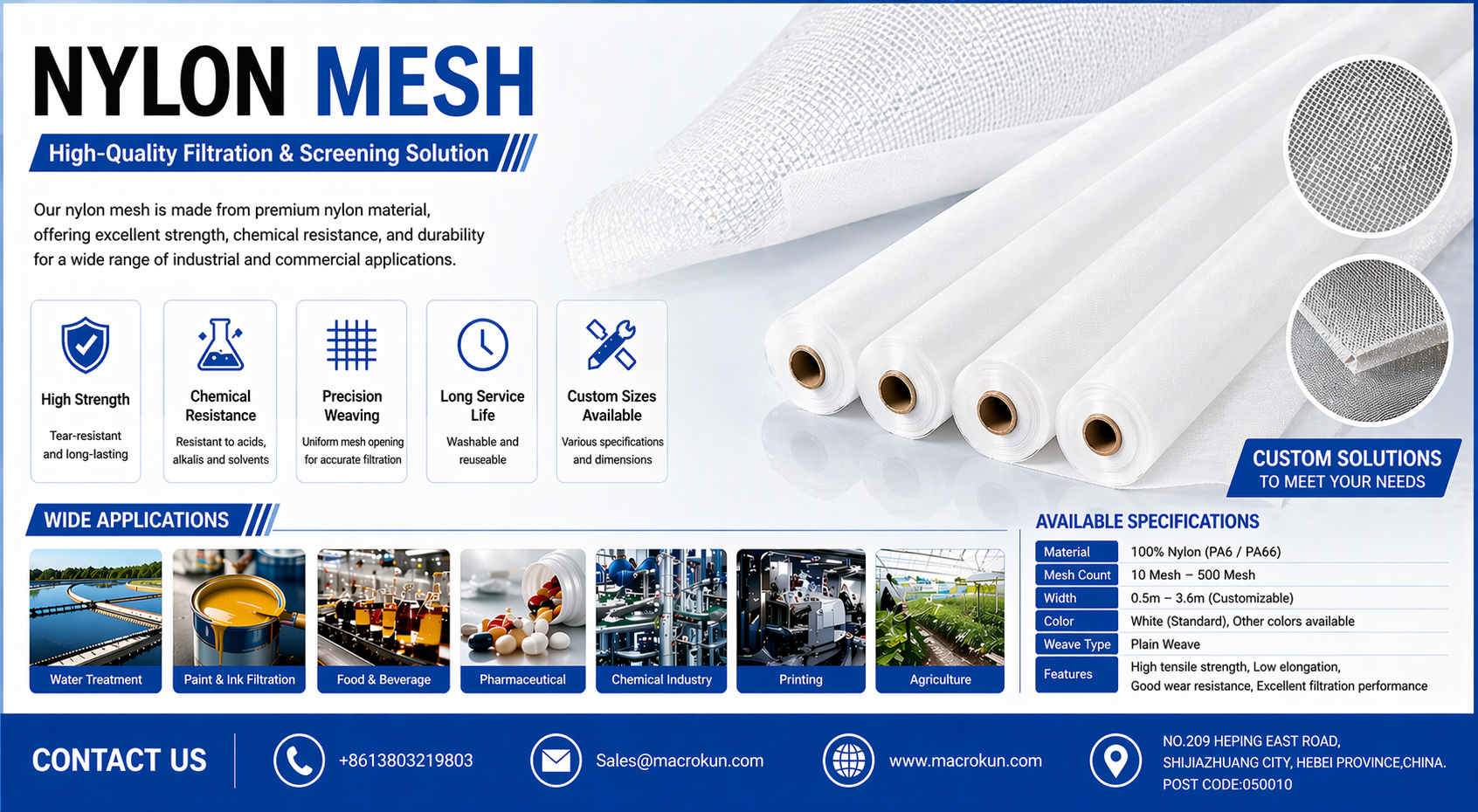
In many industrial and processing environments, nylon filter mesh has long been a preferred filtration material due to its balanced performance, durability, and adaptability. However, filtration requirements are rarely uniform across all applications. Variations in fluid chemistry, temperature, pressure, and maintenance routines often lead engineers and operators to evaluate a nylon mesh filter alternative that better aligns with specific operating conditions. Understanding how nylon filter mesh compares with other filtration materials helps ensure reliable system performance and informed material selection.
This discussion focuses on common alternatives to nylon filter mesh, examining their strengths, limitations, and appropriate use cases from a practical, application-driven perspective.
Why Nylon Filter Mesh Is Often the Baseline
Nylon filter mesh is widely used because it offers a combination of mechanical strength, flexibility, and consistent pore structure. The woven polyamide fibers provide controlled particle retention while maintaining good flow characteristics. Nylon filter mesh performs reliably in wet filtration, repeated cleaning cycles, and applications requiring custom shapes such as sheets, discs, tubes, and rolls.
.jpg)
Because of this versatility, nylon filter mesh is often treated as a reference point when evaluating alternative filtration materials. Any nylon mesh filter alternative is typically chosen to address a specific limitation rather than to replace nylon universally.
Polyester Mesh as a Common Alternative
Polyester mesh is one of the most frequently considered alternatives to nylon filter mesh. It is valued for its dimensional stability and resistance to stretching under continuous load. In applications where maintaining precise mesh dimensions over time is critical, polyester mesh can offer advantages.
Polyester mesh also demonstrates good resistance to acidic environments, making it suitable for certain chemical processing tasks. However, compared with nylon filter mesh, polyester tends to be less flexible and more susceptible to abrasion in high-stress systems. This can limit its service life in applications involving frequent handling or aggressive cleaning.
As a nylon mesh filter alternative, polyester mesh is often selected for fixed installations with stable operating conditions rather than dynamic systems.
Stainless Steel Mesh for High-Strength Applications
In environments where mechanical strength and temperature resistance are primary concerns, stainless steel mesh is sometimes used as a nylon mesh filter alternative. Metal mesh offers excellent durability under high pressure and can tolerate elevated temperatures that exceed the limits of most polymer-based meshes.
Stainless steel mesh is commonly applied in high-temperature filtration, molten material processing, or systems requiring rigid filtration media. However, its lack of flexibility makes it unsuitable for applications that require bending, folding, or frequent removal. Additionally, metal mesh may introduce higher costs and more complex maintenance requirements.
Compared with nylon filter mesh, stainless steel mesh is best suited for specialized applications rather than general-purpose filtration.
Polypropylene Mesh in Cost-Sensitive Systems
Polypropylene mesh is another alternative often considered when chemical resistance and cost efficiency are prioritized. It offers good compatibility with a wide range of chemicals and is lightweight and easy to fabricate.
However, polypropylene mesh generally has lower mechanical strength and temperature tolerance than nylon filter mesh. It may deform under sustained load or lose stability during high-temperature cleaning processes. As a result, polypropylene is typically used in low-pressure, disposable, or short-term filtration applications.
When evaluating a nylon mesh filter alternative, polypropylene mesh is suitable for systems where operating conditions are mild and replacement frequency is not a major concern.
Nonwoven Filter Media as a Functional Alternative
Nonwoven filter media, such as felt or spunbond materials, represent a different category of nylon mesh filter alternative. These materials rely on depth filtration rather than surface filtration, capturing particles within a layered structure.
Nonwoven media can offer higher dirt-holding capacity, which is beneficial in applications with heavy particulate loads. However, they lack the precise pore control and reusability of nylon filter mesh. Once saturated, nonwoven filters often require replacement rather than cleaning.
For processes that prioritize high particle retention over long service life, nonwoven media can complement or replace nylon filter mesh in specific stages of filtration.
Performance Trade-Offs in Material Selection
Choosing a nylon mesh filter alternative involves understanding the trade-offs between flexibility, strength, chemical resistance, and maintenance requirements. Nylon filter mesh excels in applications that demand repeated use, consistent pore geometry, and ease of cleaning. Alternatives are typically selected to address extreme conditions or narrow performance requirements.
For example, a system operating at high temperatures may favor metal mesh, while an acidic chemical process may benefit from polyester mesh. Cost-driven applications with low mechanical stress may opt for polypropylene or nonwoven materials.
Rather than viewing alternatives as direct replacements, it is more effective to see them as complementary options within a broader filtration strategy.
Customization and System Integration
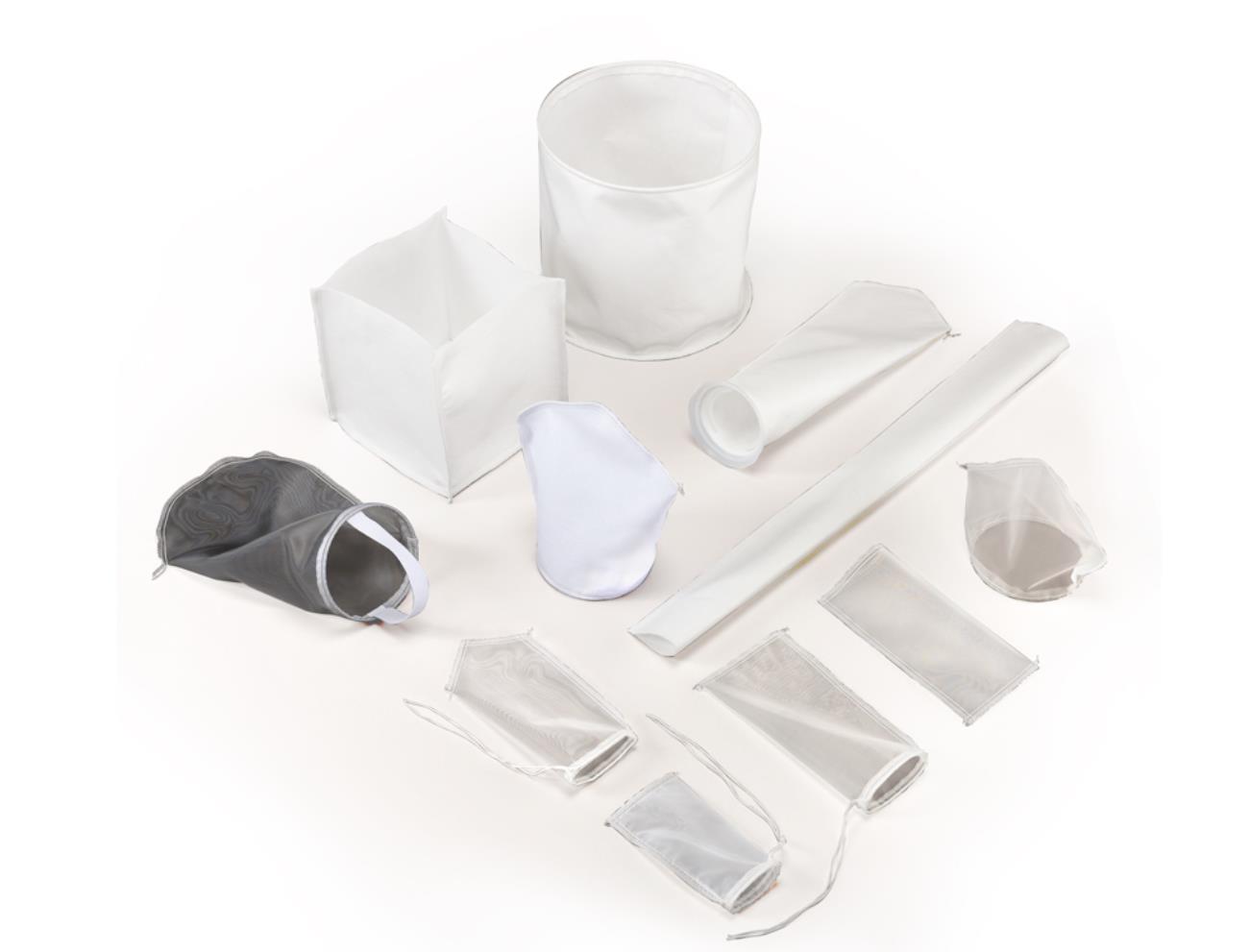
One reason nylon filter mesh remains widely used is its adaptability to custom fabrication. It can be cut, welded, sewn, or formed into complex shapes to match specific housing designs. Some nylon mesh filter alternatives, particularly rigid or brittle materials, limit this level of customization.
When system integration requires precise fit, quick replacement, or modular design, nylon filter mesh often simplifies engineering and maintenance. Alternatives may require additional support structures or specialized housings, increasing system complexity.
Long-Term Operational Considerations
From an operational perspective, nylon filter mesh often provides predictable performance over extended periods. Its ability to withstand cleaning and reuse reduces downtime and material consumption. While certain alternatives may outperform nylon in isolated performance metrics, they may introduce higher long-term costs due to frequent replacement or maintenance challenges.
Evaluating a nylon mesh filter alternative should therefore include not only initial material performance but also lifecycle considerations such as service life, cleaning compatibility, and system downtime.
Matching Material to Application Requirements
No single filtration material is ideal for every application. Nylon filter mesh remains a versatile and reliable solution for a wide range of filtration needs, but alternatives play an important role in addressing specific challenges. The most effective filtration systems are designed by aligning material properties with real operating conditions rather than relying on material popularity alone.
RELATED PRODUCTS
RELATED ARTICLES
Tags:
 WhatsApp