Nylon Mesh Filter Exporter: Delivering Consistent Nylon Filter Mesh to Global Industries
By combining controlled manufacturing, flexible customization, and reliable export support, a capable exporter ensures that nylon filter mesh performs consistently wherever it is used. This reliability allows industrial users to focus on process optimizat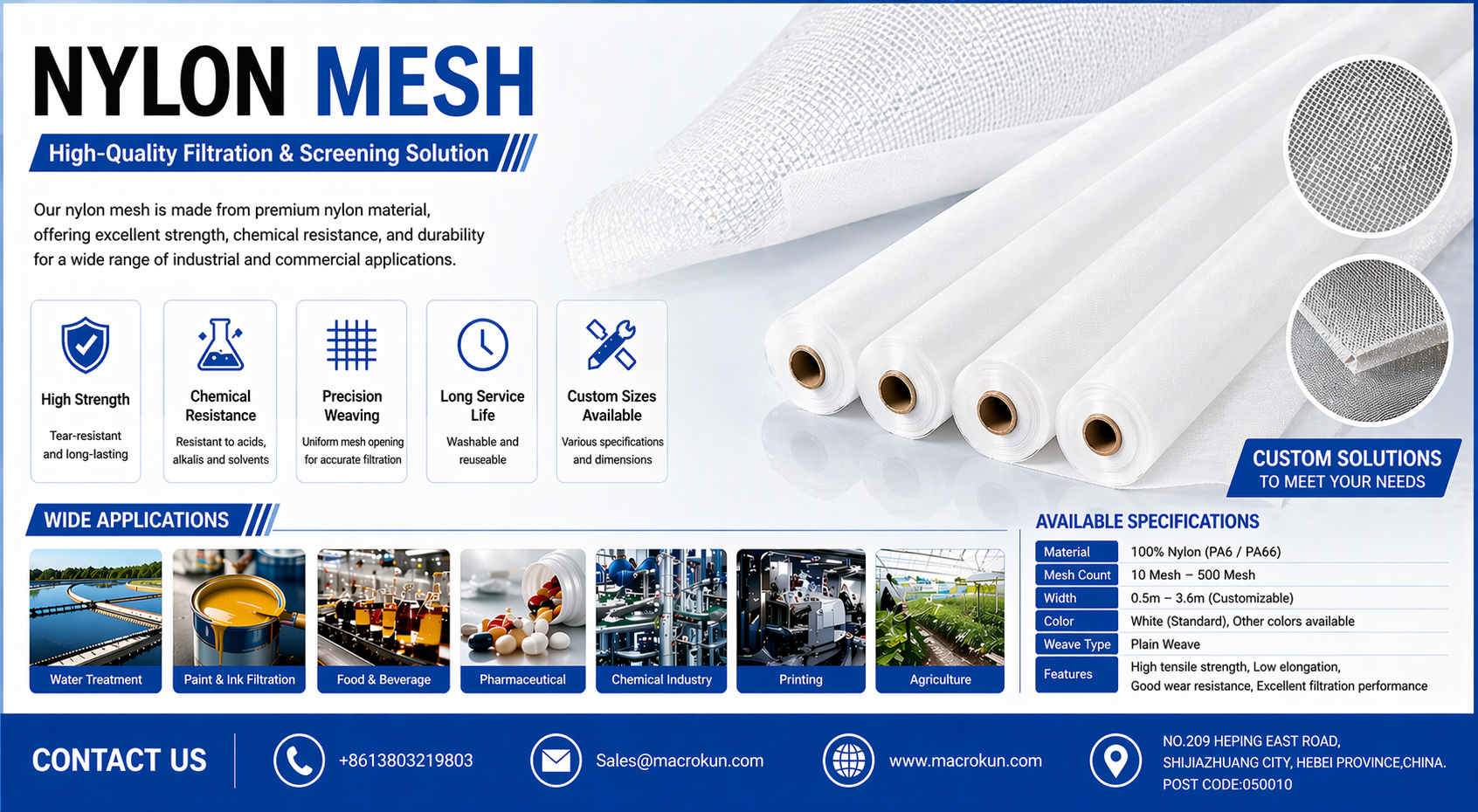
Nylon filter mesh has become a core material in many industrial filtration systems due to its balanced combination of strength, flexibility, and controlled pore structure. It is widely used in liquid filtration, powder screening, surface treatment, and process protection across chemical, food, pharmaceutical, and general manufacturing sectors. As demand extends beyond local markets, working with a reliable nylon mesh filter exporter plays an increasingly important role in ensuring stable supply, consistent quality, and smooth integration into global filtration systems.
The Role of Nylon Filter Mesh in Industrial Filtration
Nylon filter mesh is manufactured by weaving polyamide yarns into precise, uniform openings that allow predictable particle separation. This controlled structure helps filtration systems maintain steady flow while achieving consistent retention performance. Unlike rigid filtration materials, nylon mesh offers flexibility, making it suitable for a wide range of formats and installation methods.
.jpg)
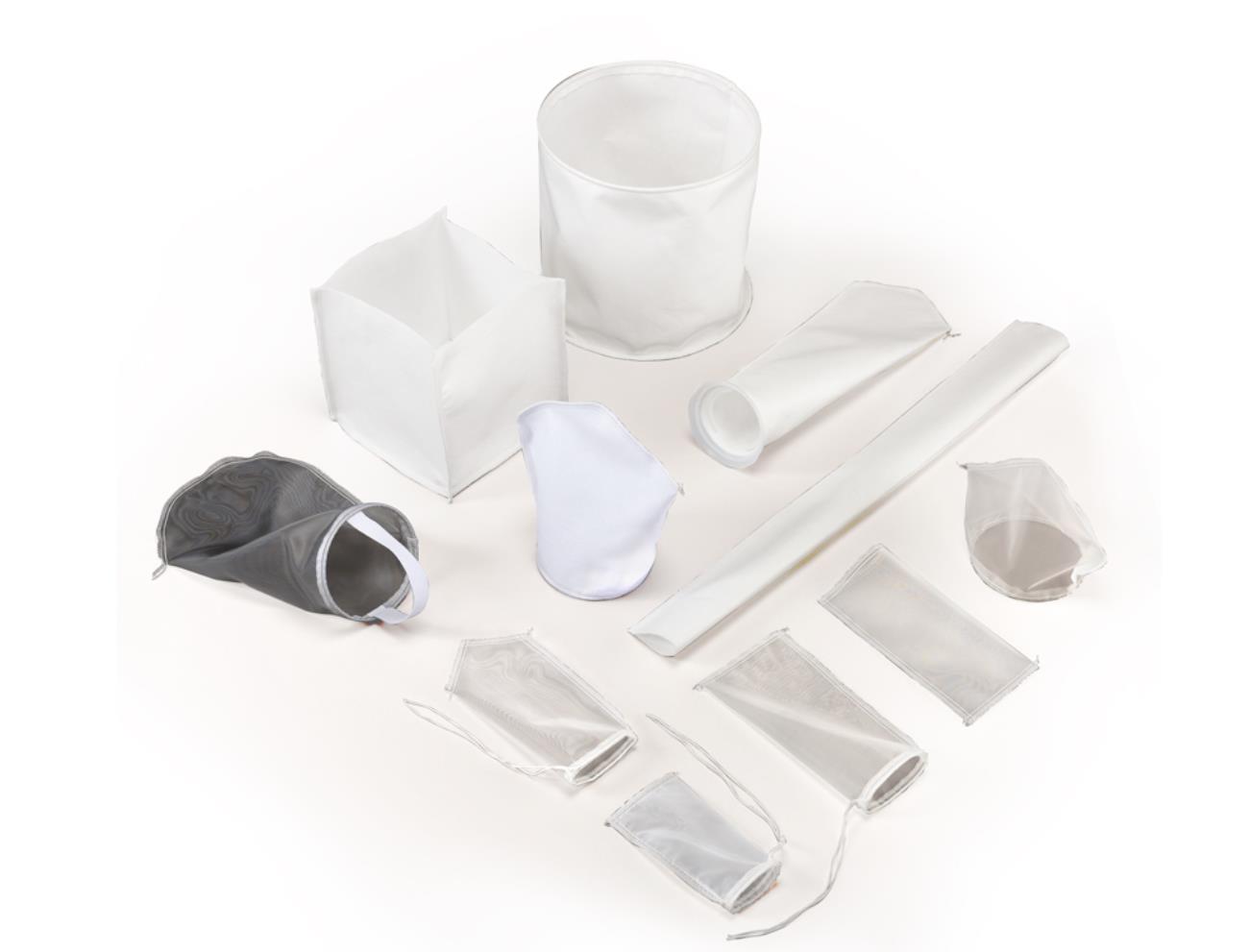
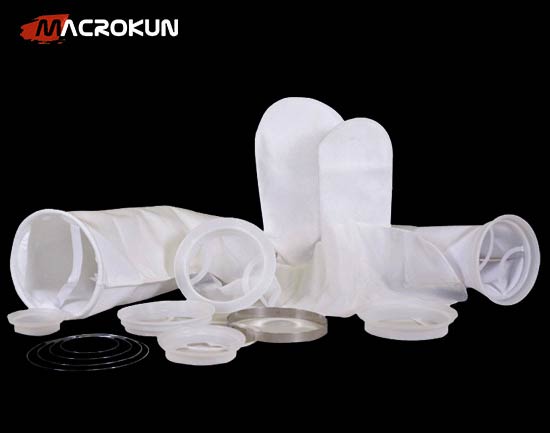
In practical applications, nylon filter mesh is commonly formed into sheets, rolls, discs, tubes, or custom-cut components. This adaptability allows engineers to match filtration media precisely to equipment design, operating pressure, and process conditions, improving overall system reliability.
Why Export Capability Matters in Filtration Supply
Industrial filtration users often operate across multiple regions or supply products to international markets. In such cases, sourcing from a capable nylon mesh filter exporter ensures that the same material specifications can be maintained regardless of location. Consistent filtration media simplifies equipment standardization, spare parts management, and maintenance planning.
Export-oriented suppliers are typically experienced in handling varied regulatory expectations, packaging standards, and logistics requirements. This experience helps reduce delays, minimize quality risks during transport, and ensure that nylon filter mesh arrives ready for use in production environments.
Manufacturing Consistency Behind Export-Grade Mesh
For nylon filter mesh to perform reliably, manufacturing consistency is essential. Variations in yarn diameter, weaving tension, or heat treatment can affect pore uniformity and mechanical behavior. A professional nylon mesh filter exporter focuses on controlled production processes to ensure repeatable results across batches.
Stable raw material sourcing and precision weaving equipment help maintain uniform mesh geometry. This consistency is especially important for customers who rely on predictable filtration performance over long operating cycles or across multiple facilities.
Adaptability to Different Industrial Requirements
Different industries place different demands on nylon filter mesh. Some applications require fine particle separation and smooth surface finish, while others prioritize mechanical strength and resistance to repeated cleaning. An experienced nylon mesh filter exporter typically offers a wide range of mesh counts and fabrication options to meet these varying needs.
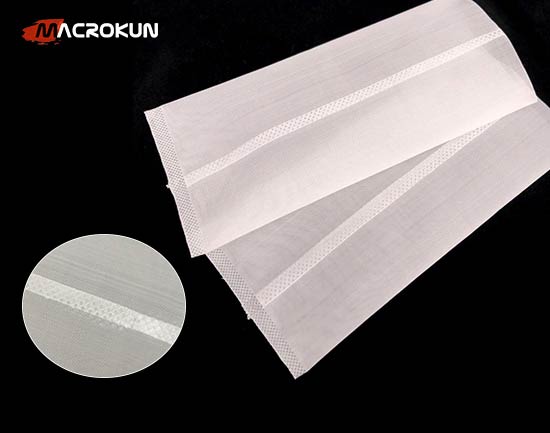
Customization capabilities such as cutting, welding, sewing, or forming allow nylon filter mesh to be supplied in formats that integrate directly into customer equipment. Properly fabricated mesh components reduce installation time and help prevent leakage or bypass during operation.
Supporting Process Stability and Equipment Protection
In many systems, nylon filter mesh is used not only for final filtration but also as pre-filtration or protective screening. By removing larger particles early in the process, the mesh helps protect downstream filters, pumps, and sensitive equipment from excessive wear or blockage.
A dependable nylon mesh filter exporter understands these functional roles and can help align mesh selection with actual operating conditions. This application-focused approach ensures that filtration performance remains stable while minimizing unnecessary material stress.
Logistics and Supply Reliability
Exporting filtration materials requires more than manufacturing capability alone. Packaging, labeling, and handling must be designed to preserve mesh integrity during transport. A professional nylon mesh filter exporter implements appropriate packaging methods to prevent deformation, contamination, or moisture exposure during shipping.
Reliable logistics coordination supports predictable delivery schedules, which is critical for customers operating continuous or time-sensitive production lines. Consistent supply of nylon filter mesh helps avoid unplanned downtime caused by material shortages or quality inconsistencies.
Long-Term Value Beyond Initial Supply
The value of working with a nylon mesh filter exporter extends beyond a single shipment. Long-term cooperation allows suppliers to become familiar with customer processes, enabling ongoing optimization of mesh specifications as operating conditions change.
This collaborative approach supports gradual improvements in filtration efficiency, service life, and overall system performance. Over time, such stability reduces qualification effort and operational risk, contributing to more efficient filtration management.
Practical Perspective for Global Users
For manufacturers and system integrators serving international markets, selecting the right nylon mesh filter exporter is a strategic decision. It influences not only material quality but also supply continuity, process consistency, and long-term operational confidence.
RELATED PRODUCTS
RELATED ARTICLES
Tags:
 WhatsApp