Nylon Filter Mesh Factory: Delivering Consistent Filtration Media for Industry
Selecting the right supply partner affects more than immediate purchase price: it influences long-term system reliability, consistency of filtration results, and the predictability of maintenance cycles. A well-documented nylon filter mesh factory tha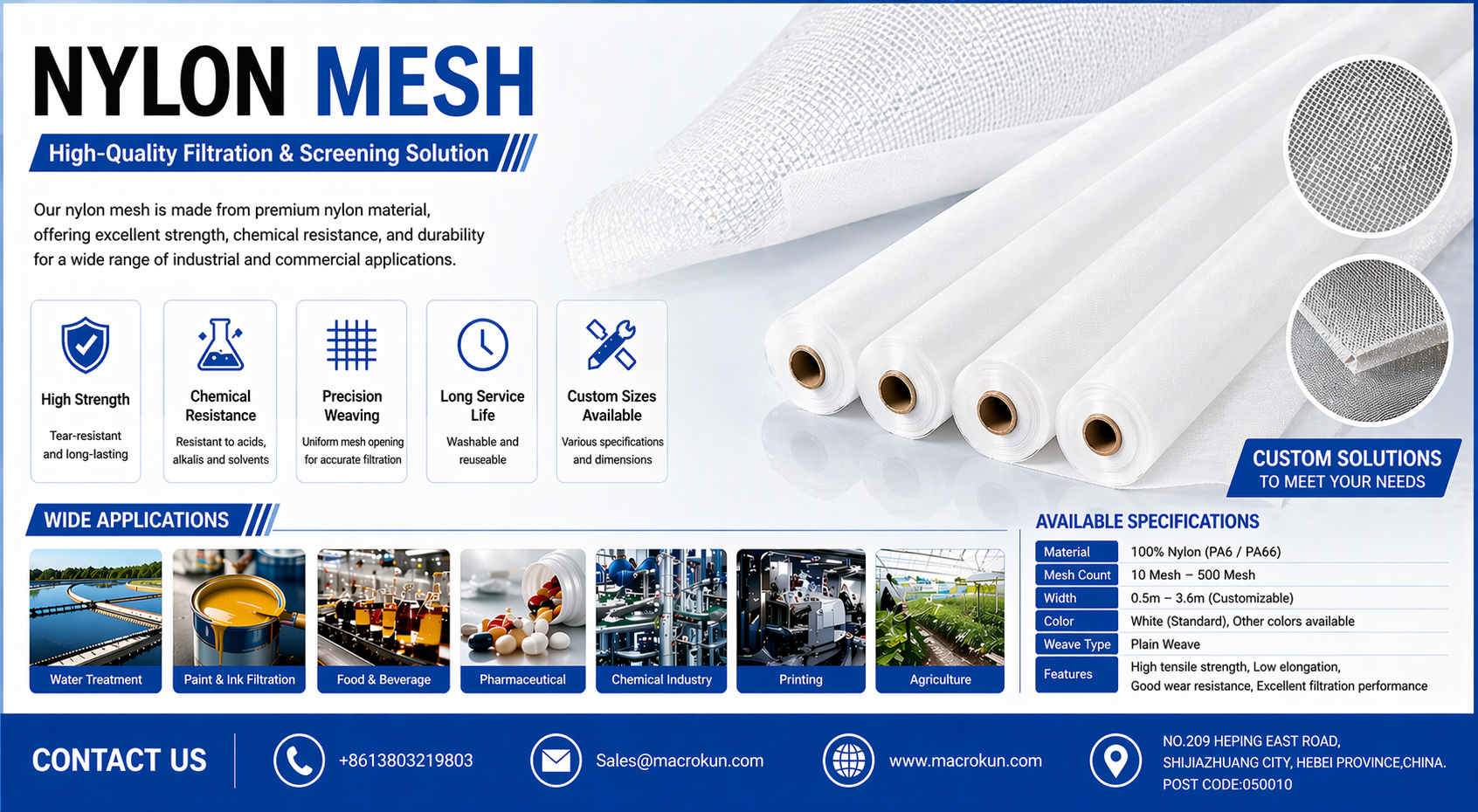
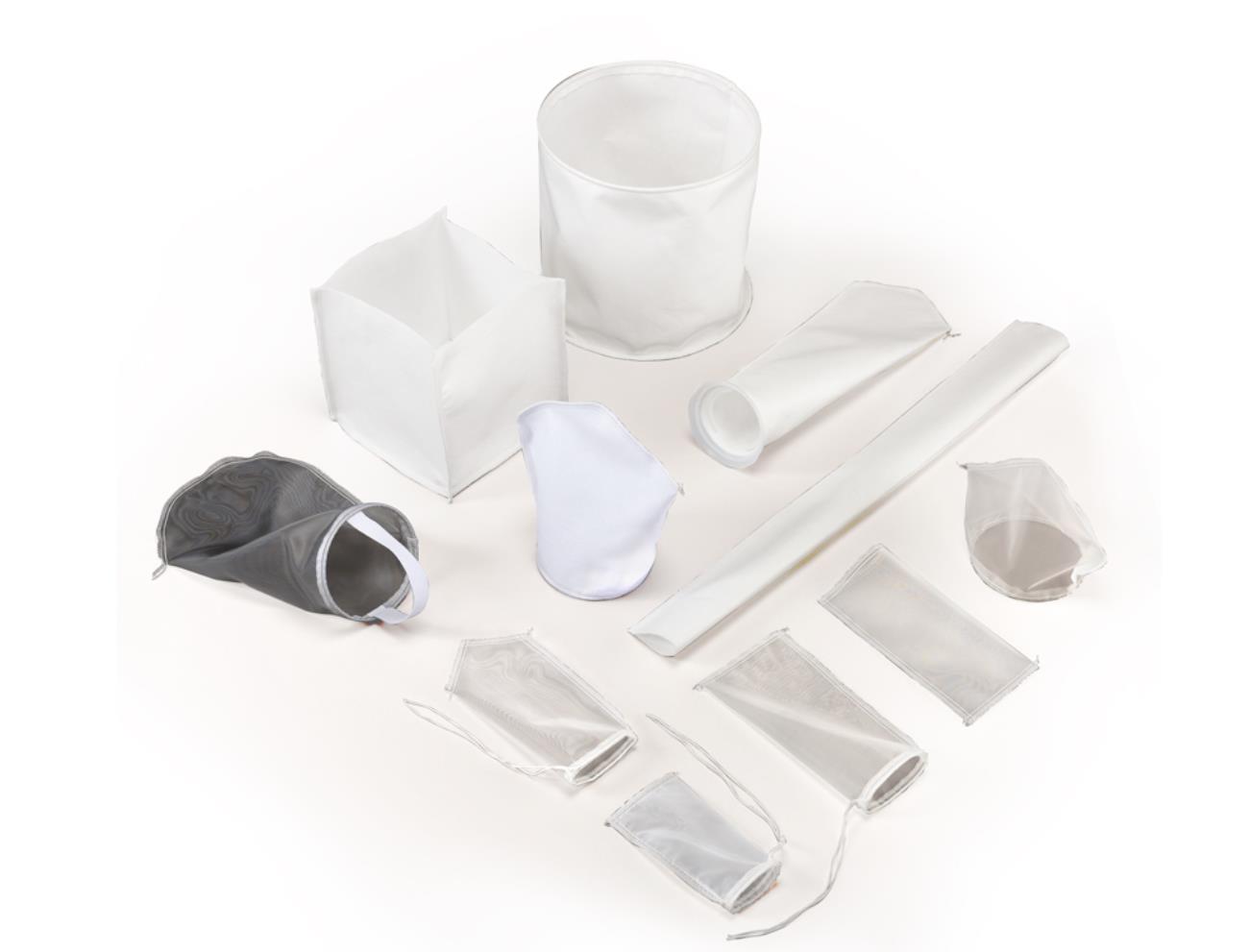
Filtration performance begins with material quality and manufacturing control. For buyers and engineers evaluating supply options, sourcing from a reputable nylon filter mesh factory means access to consistent weave quality, reliable material traceability, and the production flexibility needed for diverse industrial applications. Whether used as sheets, discs, bags, or rolls, nylon filter mesh that originates from a controlled factory environment reduces variability and supports stable, repeatable filtration outcomes.
Product Overview / Core Concept
A nylon filter mesh factory produces woven polyamide fabrics designed for liquid and gas filtration across many process sectors. The core product is a monofilament or multifilament nylon fabric with precisely controlled aperture sizes and filament diameters. In a factory setting, parameters such as yarn tension, loom settings, and finishing processes are monitored to keep pore geometry consistent across batches. This is important because consistent pore geometry directly affects particle retention, pressure drop, and flow stability once the mesh is installed in a system.
.jpg)
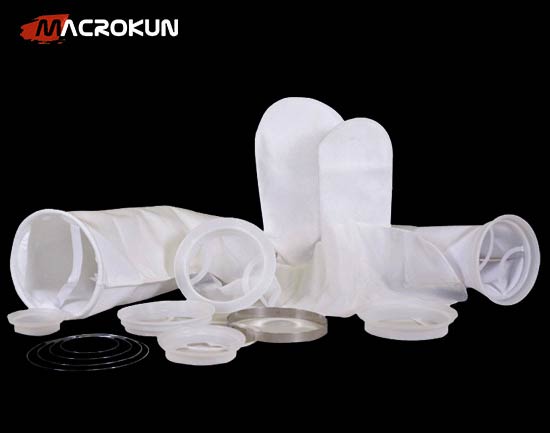
Manufacturers select nylon grades and weave patterns to balance mechanical strength, flexibility, and chemical tolerance. A dedicated nylon filter mesh factory typically offers a range of mesh counts and weave types so engineers can match media characteristics to application requirements without having to compromise on system design. The factory environment also enables secondary fabrication—cutting, welding, framing, and finishing—that turns raw mesh into ready-to-install components.
Key Performance Advantages
Controlled production at a nylon filter mesh factory yields key performance advantages. First, uniform pore distribution reduces the risk of channeling and uneven filtration that can occur with irregular or nonwoven media. This uniformity supports predictable particle capture and consistent pressure behavior over extended runs.
Second, factory-controlled finishing—such as heat-setting, singeing, and anti-static treatment—can enhance dimensional stability and reduce fiber shedding. These finishing steps, when applied consistently, help maintain cleanliness and reduce the risk of contamination in sensitive processes.
Third, mechanical durability derives from consistent material selection and weaving practice. Mesh produced in a factory is less prone to unexpected tearing or elongation during handling and cleaning, extending useful service life and reducing unplanned replacements. Finally, reliable chemical compatibility arises when a nylon filter mesh factory documents material grades and validates performance against common process fluids and cleaning agents.
Application Scenarios
Nylon filter mesh from an industrial factory is suitable for a wide range of use cases. In process water and pre-filtration, factory-produced mesh serves as an efficient first-stage barrier to protect finer membranes or downstream pumps. In chemical processing and coatings, the mesh is used for removing agglomerates and foreign particulates that can affect product appearance and performance.
In food, beverage, and pharmaceutical support operations, factory-supplied nylon mesh can be manufactured to meet hygienic handling and traceability expectations; careful production records allow quality teams to verify material origin and production parameters. In manufacturing of paints, inks, and adhesives, mesh components cut or formed at the factory help prevent nozzle clogging and ensure uniform application properties.
Because a controlled production environment enables repeatable fabrication, nylon filter mesh factory outputs are also well suited for pilot plants and scale-up trials where maintaining identical filtration media between development and production phases is important.
Operational and Economic Value
Sourcing from a dedicated nylon filter mesh factory yields tangible operational benefits. Consistent quality reduces variability in filter life, so maintenance schedules become more predictable and process uptime improves. When filter media fail less frequently or exhibit less performance drift, operators spend less time on adjustment and more time on core production tasks.
Economically, factory production allows for economies of scale and more efficient inventory management. Purchasing rolls or bulk sheets from a factory often lowers unit cost compared with small-scale bespoke production, while enabling in-house or contract fabrication to cut to exact dimensions as needed. Working directly with a nylon filter mesh factory can also shorten lead times for special orders and reduce dependency on multiple suppliers.
Factory-level quality control reduces the hidden costs of inconsistent media—such as product rework, equipment fouling, and unplanned downtime—by ensuring each batch meets documented parameters. For procurement teams, documented production standards from the nylon filter mesh factory simplify supplier qualification and ongoing supplier performance monitoring.
Customization or Quality Assurance
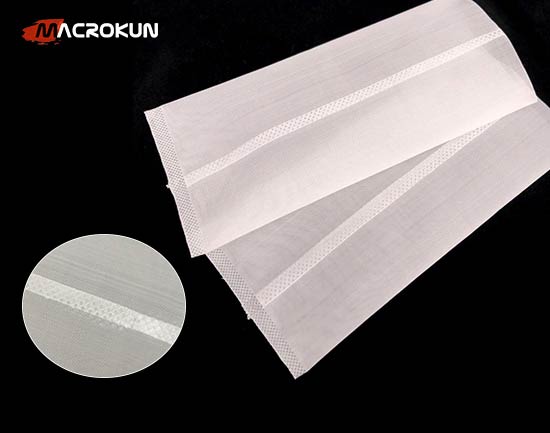
A modern nylon filter mesh factory offers customization options and documented quality assurance systems. Common custom services include precise mesh count selection, variable roll widths, cutting to specified shapes (discs, sheets, strips), edge finishing to prevent fraying, and lamination or bonding to support composite filter assemblies. These fabrication options allow engineers to receive components that require minimal on-site modification.
Quality assurance in the factory setting typically includes incoming raw material inspection, in-process quality checks (aperture measurement, tensile testing), and final inspection protocols. Traceable batch records, material certificates, and test reports help downstream users maintain process records and comply with internal or external audit requirements. Where regulatory or industry standards apply, a nylon filter mesh factory can provide material data and process documentation to assist with qualification and validation activities.
Suppliers with in-house testing capability can also perform application-specific trials—such as chemical exposure tests, repeated clean/sterilize cycles, or flow/pressure characterization—to verify that a selected mesh variant meets operational needs before large-scale deployment.
RELATED PRODUCTS
RELATED ARTICLES
Tags:
 WhatsApp