Food Grade Nylon Filter Mesh for Food and Beverage Filtration Applications
For food and beverage operations seeking dependable filtration performance, food grade nylon filter mesh provides a balanced solution that combines precision, durability, and operational flexibility. Its engineered structure supports consistent product qu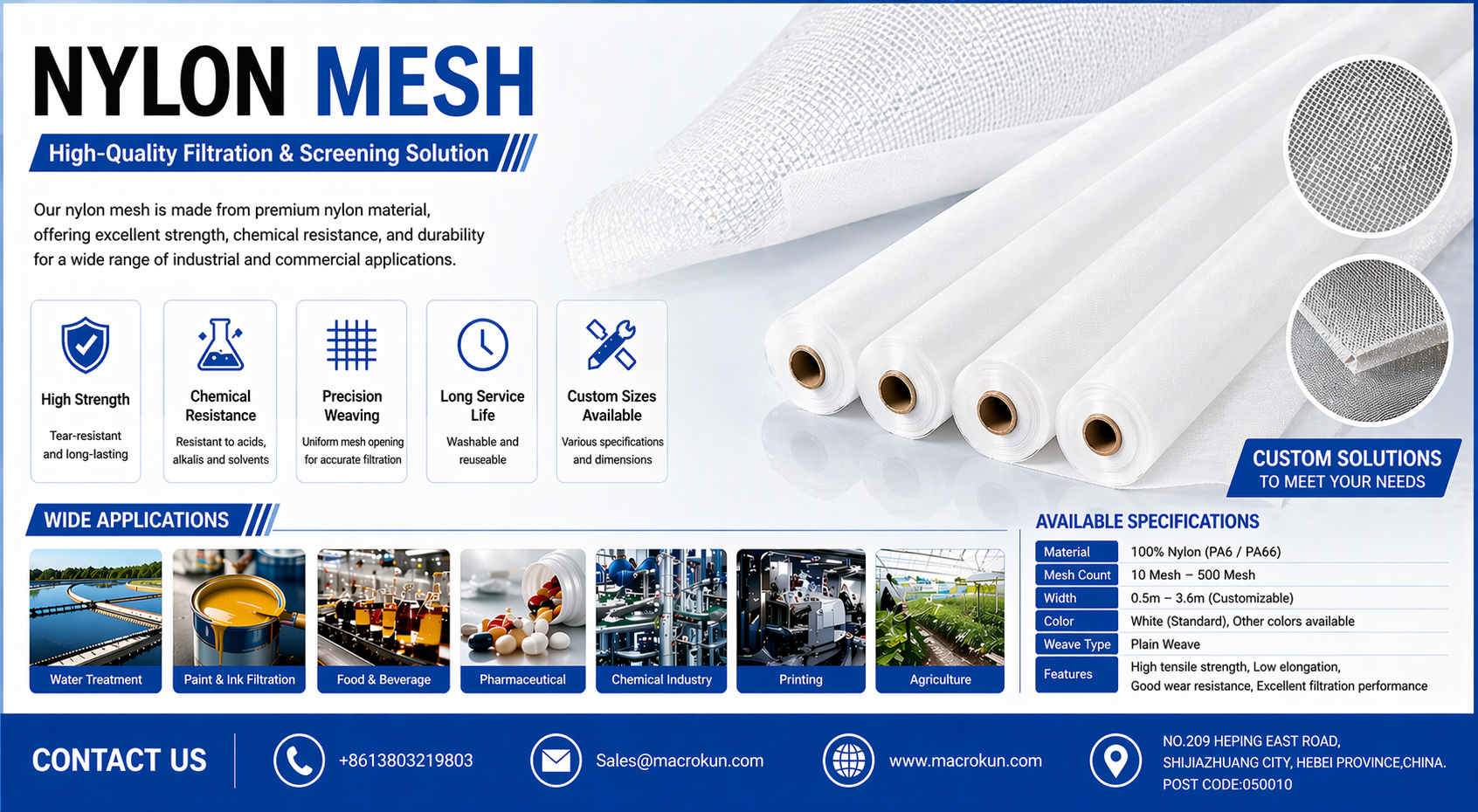
In modern food and beverage processing, filtration plays a critical role in protecting product quality, ensuring safety, and maintaining stable production efficiency. As manufacturers face increasing pressure to meet hygiene standards while improving operational consistency, filtration materials must deliver reliable performance without compromising regulatory compliance. Many conventional filter media struggle with uneven pore structure, limited chemical resistance, or frequent replacement cycles. Within this context, food grade nylon filter mesh has emerged as a practical filtration solution designed to balance precision, durability, and suitability for food-contact environments.
Product Design Built for Industrial Reliability
At its core, food grade nylon filter mesh is a woven filtration material manufactured from high-quality polyamide fibers selected for food and beverage applications. The mesh structure is engineered to provide uniform pore distribution, allowing controlled particle retention while maintaining steady flow rates. This structural consistency helps prevent sudden pressure fluctuations that can disrupt downstream processes.
.jpg)
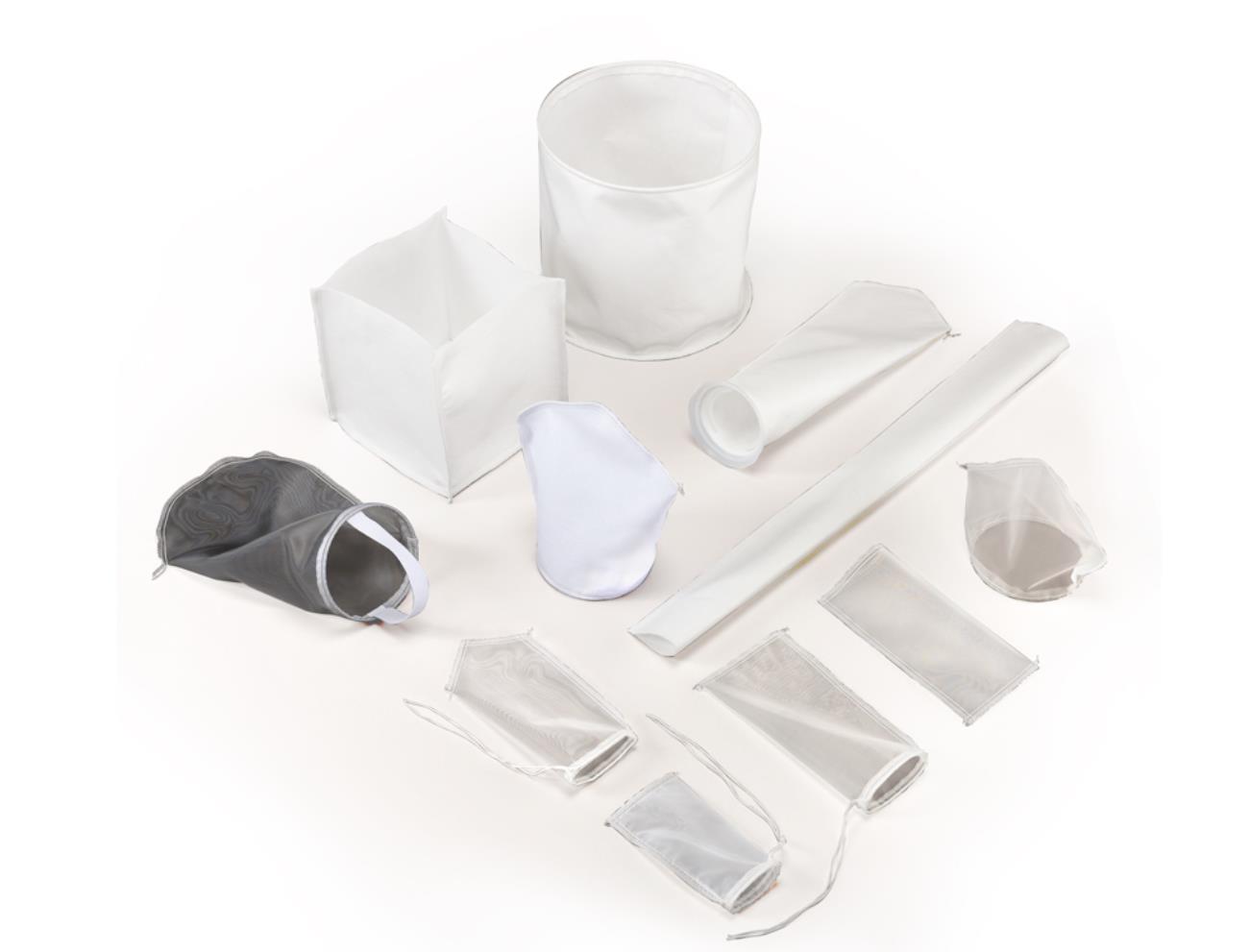
The material composition supports both mechanical strength and flexibility, enabling the mesh to withstand repeated filtration cycles without deformation. Unlike some rigid filter media, nylon mesh adapts well to varying system configurations, making it suitable for inline filters, bag filters, and custom filtration frames. This adaptability allows processors to integrate the material into existing systems with minimal modification.
Beyond structural considerations, the filtration concept emphasizes functional performance rather than excessive specification. The mesh is designed to perform reliably across a wide range of food processing conditions, supporting consistent filtration results while reducing the operational risks associated with material failure or contamination.
Key Performance Advantages
One key advantage of food grade nylon filter mesh lies in its stable filtration accuracy. The controlled weaving process ensures that pore sizes remain consistent throughout the material, helping processors achieve predictable particle retention. This stability is especially important in applications where visual clarity, texture, or sediment control directly affect product quality.
Compared with conventional disposable filter media, nylon mesh demonstrates extended service life under normal operating conditions. Its resistance to mechanical stress and abrasion reduces the likelihood of tearing or fiber shedding during use. As a result, operators benefit from fewer interruptions caused by premature filter replacement, improving overall process continuity.
Another performance benefit is chemical compatibility. Food grade nylon filter mesh maintains structural integrity when exposed to common cleaning agents and process fluids used in food and beverage production. This compatibility supports regular sanitation procedures without accelerating material degradation, contributing to consistent filtration performance over time.
Reliable Performance Across Multiple Filtration Systems
The versatility of food grade nylon filter mesh makes it suitable for a wide range of food and beverage filtration scenarios. In beverage processing, it is commonly applied to juice clarification, wine filtration, and brewing operations where fine particle removal must be balanced with flow efficiency. The mesh supports clear output without stripping desirable product characteristics.
In food processing environments, the material is used for filtering sauces, edible oils, dairy products, and liquid ingredients. Its uniform structure allows processors to manage solids separation while maintaining smooth production throughput. This reliability helps reduce variability between batches, an important consideration for quality-controlled operations.
The mesh also performs effectively in pre-filtration and intermediate filtration stages, protecting downstream equipment from excessive particulate load. By integrating food grade nylon filter mesh at critical points in the process, manufacturers can enhance overall system stability and extend the service life of more sensitive filtration components.
Operational and Economic Value
From an operational standpoint, food grade nylon filter mesh contributes to improved process efficiency by supporting consistent flow rates and minimizing unexpected downtime. Stable filtration performance reduces the need for constant monitoring and adjustment, allowing operators to focus on broader production objectives.
Economically, the durability of the material translates into lower long-term operating costs. Reduced replacement frequency and fewer process disruptions help offset initial material investment. Over extended production cycles, this cost efficiency becomes particularly relevant for facilities operating at high throughput or continuous production schedules.
The ability to clean and reuse the mesh further enhances its economic value. When properly maintained, food grade nylon filter mesh supports multiple filtration cycles without significant loss of performance. This reuse capability aligns with operational goals focused on waste reduction and sustainable production practices.
Customization and Quality Assurance
To accommodate diverse processing requirements, food grade nylon filter mesh can be supplied in various mesh counts, dimensions, and fabrication formats. This customization flexibility allows processors to match filtration performance precisely to specific product characteristics and system designs.
Quality assurance is maintained through controlled manufacturing processes that emphasize material consistency and repeatability. Each production batch follows defined parameters to ensure uniform weaving, reliable pore structure, and stable mechanical properties. This consistency helps procurement teams reduce variability risks when sourcing filtration materials over time.
In addition to material quality, attention to production standards supports confidence in food-contact suitability. The manufacturing approach focuses on delivering filtration media that integrates smoothly into regulated food and beverage environments without introducing unnecessary compliance complexity.
RELATED PRODUCTS
RELATED ARTICLES
Tags:
 WhatsApp