Nylon Mesh vs Stainless Steel Filter: Choosing the Right Filtration Material for Practical Applications
By aligning material properties with actual process demands, filtration systems can achieve stable performance, manageable maintenance routines, and long-term operational reliability. Understanding the practical differences between nylon mesh vs stainless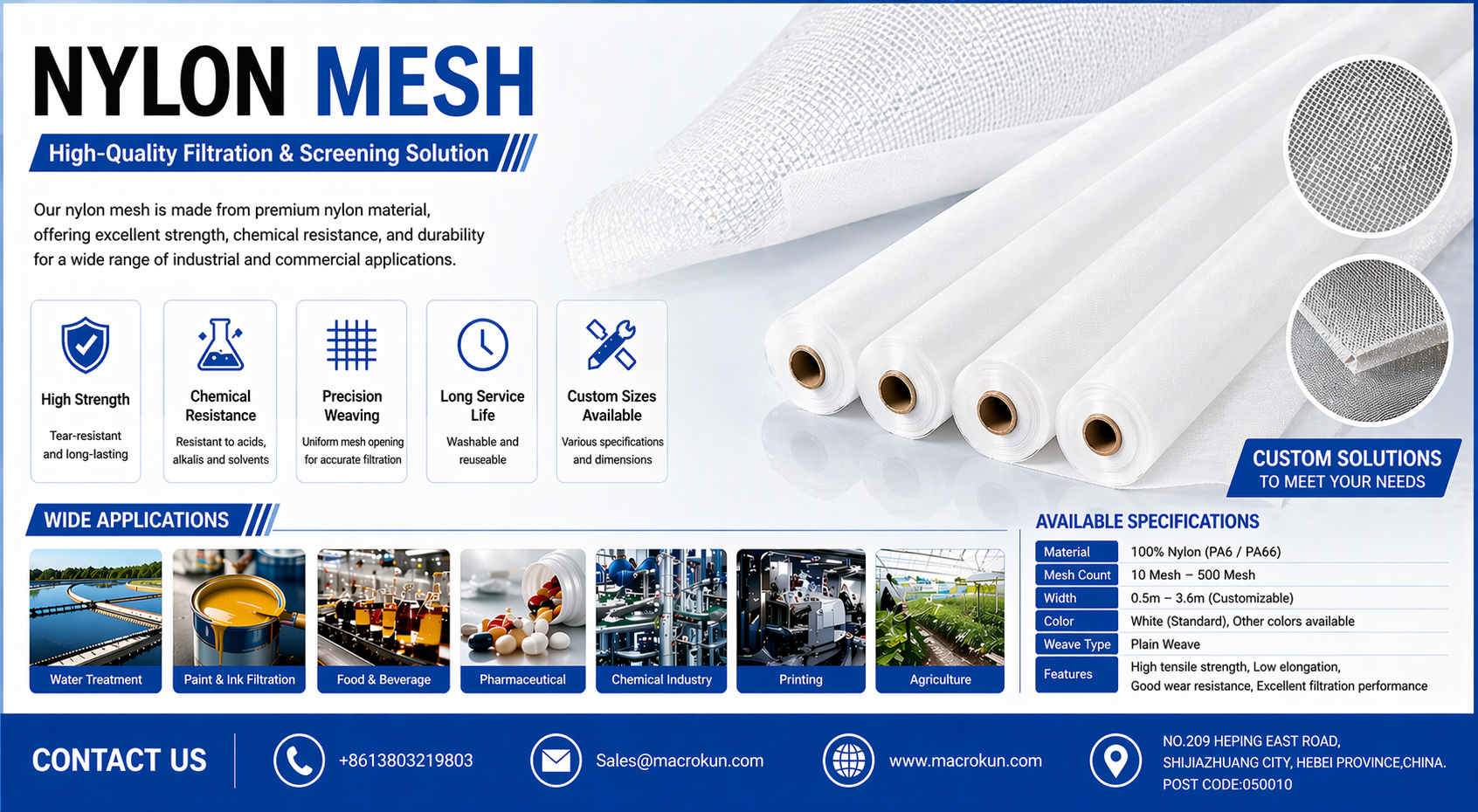
When designing or upgrading a filtration system, material selection plays a decisive role in performance, reliability, and long-term operating cost. Among commonly used options, nylon filter mesh and stainless steel filters are often compared due to their very different material characteristics and application strengths. Understanding the practical differences between nylon mesh vs stainless steel filter solutions helps engineers and operators make informed decisions based on real operating conditions rather than assumptions.
This article examines both materials from a functional and application-focused perspective, highlighting where each performs best and how they fit into modern filtration systems.
Material Characteristics and Structural Behavior
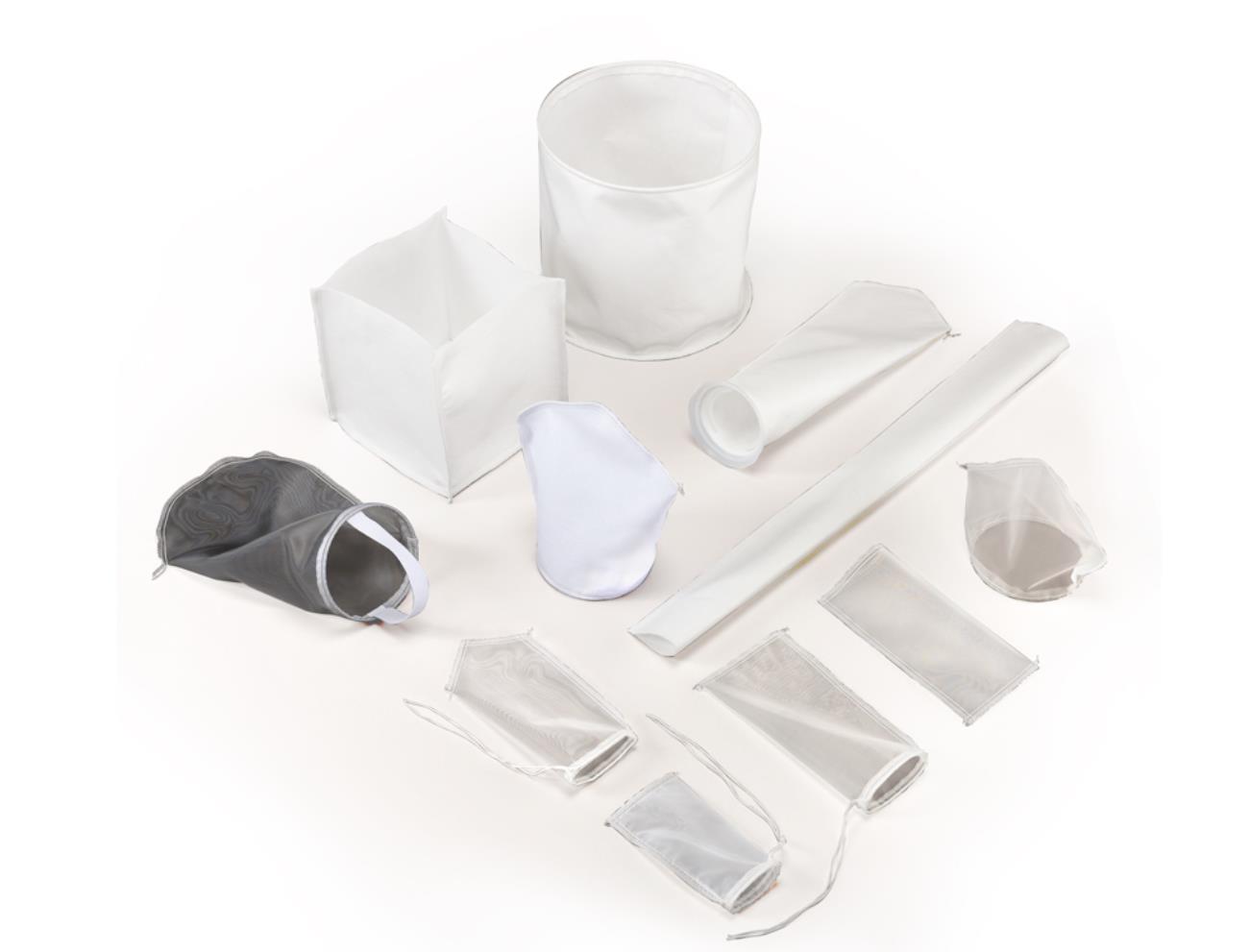
Nylon filter mesh is manufactured from woven polyamide fibers, creating a flexible and uniform mesh structure. This construction allows controlled particle retention while maintaining consistent flow rates. The flexibility of nylon mesh makes it easy to adapt to various filter designs, including flat screens, bags, tubes, and custom-shaped components.
.jpg)
Stainless steel filters, by contrast, are made from woven or sintered metal wires. Their structure is rigid and mechanically robust, offering excellent resistance to deformation under pressure. This rigidity is a defining feature in the comparison of nylon mesh vs stainless steel filter materials, as it directly affects installation, handling, and system compatibility.
Filtration Precision and Flow Performance
Nylon filter mesh is valued for its consistent pore size and smooth surface filtration behavior. Uniform weaving ensures predictable particle separation, which is important in applications where stable product quality or process consistency is required. The smooth fiber surface also supports efficient flow, reducing pressure drop in many liquid filtration systems.
Stainless steel filters provide precise filtration as well, particularly in applications requiring very fine or tightly controlled openings. However, metal filters may introduce higher resistance to flow, especially when used with viscous fluids or fine mesh sizes. In systems sensitive to pressure fluctuations, this difference becomes an important consideration when comparing nylon mesh vs stainless steel filter options.
Chemical Compatibility and Environmental Resistance
Nylon filter mesh demonstrates good resistance to many chemicals commonly encountered in industrial, food, and general process filtration. It tolerates repeated exposure to cleaning agents and process fluids without significant loss of mechanical integrity. This makes nylon mesh suitable for applications involving frequent cleaning or fluid changes.
Stainless steel filters excel in environments involving extreme temperatures, aggressive solvents, or corrosive conditions where polymer-based materials may degrade. High heat tolerance and resistance to oxidation make stainless steel the preferred choice in demanding thermal or chemical environments.
The comparison of nylon mesh vs stainless steel filter materials often hinges on this point: nylon offers broad chemical compatibility under moderate conditions, while stainless steel dominates in extreme operating environments.
Flexibility, Handling, and Customization
One of the strongest advantages of nylon filter mesh is its adaptability. It can be easily cut, sewn, welded, or formed into custom shapes to match specific housing designs. This flexibility simplifies system integration and allows for rapid customization without complex tooling.
Stainless steel filters are less adaptable due to their rigidity. Custom shapes often require specialized fabrication processes, increasing lead time and cost. Handling can also be more labor-intensive, particularly for large or fine metal mesh components.
For applications requiring frequent replacement, custom sizing, or modular system design, nylon filter mesh often provides greater practical convenience than stainless steel filters.
Durability and Service Life Considerations
Stainless steel filters are known for exceptional durability under high pressure, abrasion, and temperature stress. In applications where mechanical load is constant and severe, stainless steel may offer a longer service life than nylon mesh.
However, nylon filter mesh performs reliably in systems operating within its designed limits. Its resistance to fatigue and ability to withstand repeated cleaning cycles make it suitable for long-term use in many filtration processes. While it may not match the extreme durability of metal filters, its balance of performance and flexibility often results in efficient lifecycle performance.
In evaluating nylon mesh vs stainless steel filter options, durability should be assessed relative to actual operating stress rather than theoretical maximum limits.
Maintenance and Operational Efficiency
Maintenance practices differ significantly between nylon and stainless steel filtration materials. Nylon filter mesh is lightweight and easy to remove, clean, and reinstall. This reduces maintenance time and minimizes downtime during routine servicing.
Stainless steel filters may require more intensive cleaning procedures, especially when dealing with fine particles or sticky residues. Their weight and rigidity can also make handling more complex, particularly in large-scale systems.
From an operational efficiency standpoint, nylon filter mesh often supports faster turnaround during maintenance, while stainless steel filters are better suited for systems where maintenance intervals are long but operating conditions are severe.
Cost and System-Level Value
Initial material cost is often lower for nylon filter mesh compared with stainless steel filters. Combined with ease of customization and reduced maintenance effort, this can translate into lower overall system costs in many applications.
Stainless steel filters typically involve higher upfront investment but may justify the cost in environments where failure risk, extreme conditions, or regulatory requirements demand maximum material robustness.
The nylon mesh vs stainless steel filter decision should therefore consider not only material price but also system complexity, maintenance frequency, and expected service conditions.
Application-Driven Material Selection
Neither nylon filter mesh nor stainless steel filters are universal solutions. Nylon mesh excels in applications requiring flexibility, consistent filtration, ease of handling, and moderate chemical or thermal resistance. Stainless steel filters are best suited for high-temperature, high-pressure, or highly corrosive environments where polymer materials are insufficient.
RELATED PRODUCTS
RELATED ARTICLES
Tags:
 WhatsApp