Wafer Dicing Filtration System | Nylon Filter Mesh & Semiconductor Coolant Filters
Learn how nylon filter mesh, PP filter bags, pleated filter cartridges, and PES/PTFE membrane filters improve wafer dicing coolant filtration, enhance chip yield, and reduce semiconductor manufacturing costs.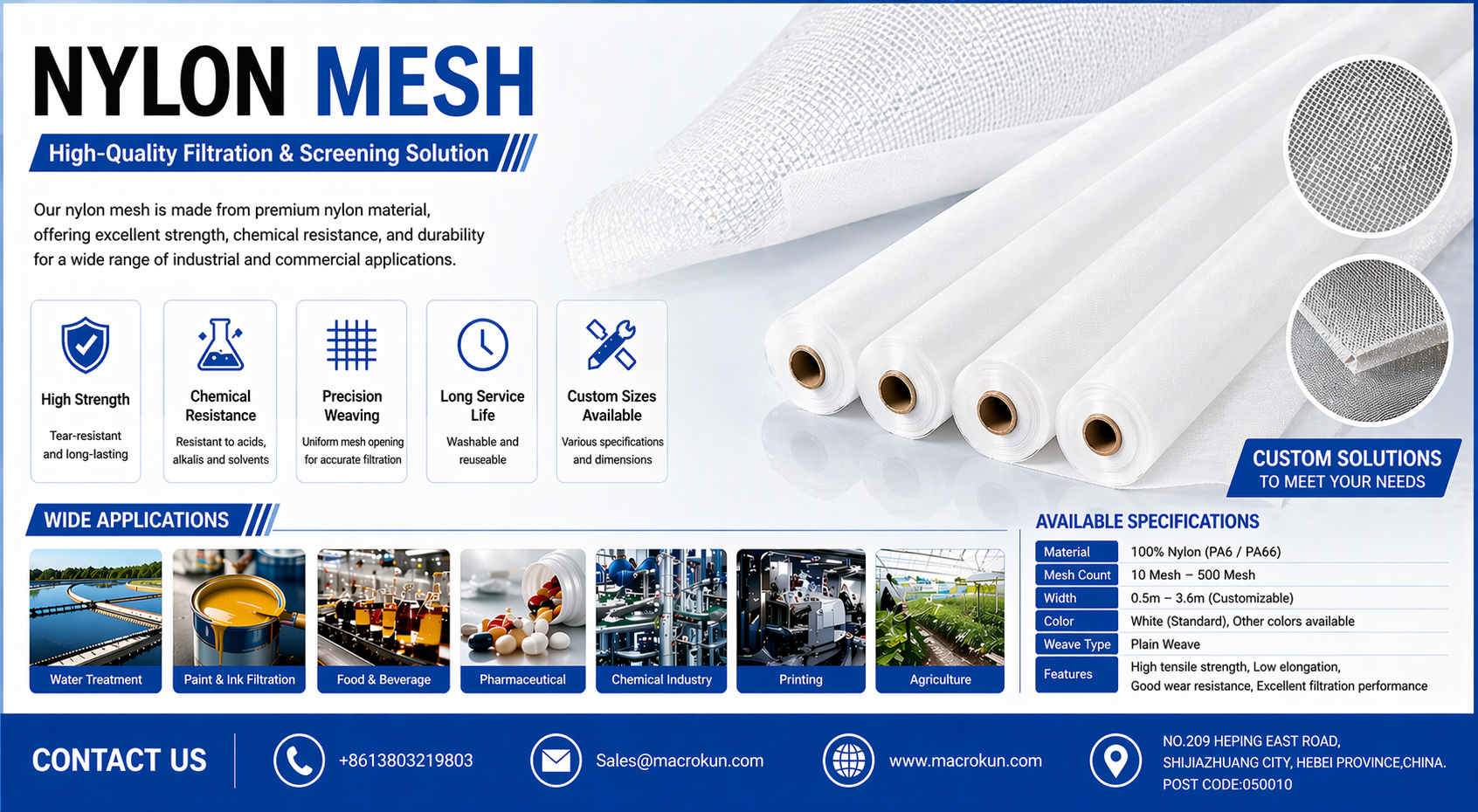
As semiconductor devices continue to shrink in size and increase in complexity, maintaining contamination-free manufacturing environments has become more critical than ever. One of the most overlooked yet essential aspects of semiconductor production is the wafer dicing filtration system.
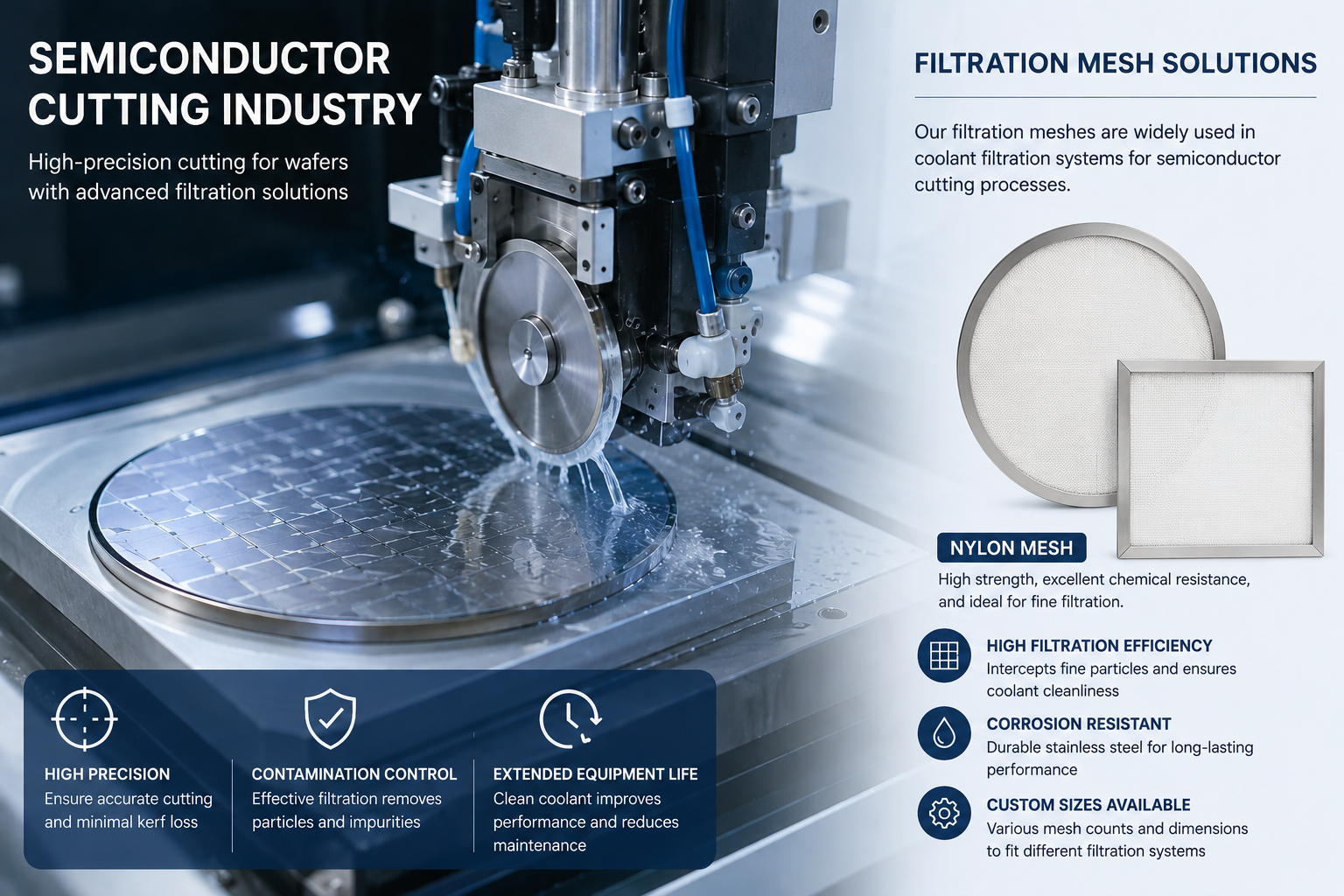
During wafer dicing and cutting operations, large quantities of silicon particles, abrasive debris, metal fragments, and coolant contaminants are generated. Without an effective filtration system, these contaminants can reduce cutting precision, damage expensive equipment, and negatively impact chip yield.
This article explains how a multi-stage wafer dicing coolant filtration system works and how components such as nylon filter mesh, filter bags, pleated filter cartridges, and membrane filters help maintain optimal process performance.
Why Filtration Is Critical in Wafer Dicing Processes
Wafer dicing is the process of separating semiconductor wafers into individual chips using high-speed dicing saws. During cutting, a continuous stream of coolant is applied to:
- Reduce heat generation
- Remove cutting debris
- Protect the diamond blade
- Improve cutting accuracy
However, the coolant quickly becomes contaminated with:
- Silicon particles
- Ceramic dust
- Metal residues
- Abrasive slurry
- Organic contaminants
If these contaminants are not removed efficiently, they can cause:
- Blade wear
- Reduced cutting accuracy
- Micro-cracks in wafers
- Equipment downtime
- Increased operating costs
This is why advanced semiconductor manufacturers rely on multi-stage filtration systems.
Typical Wafer Dicing Coolant Filtration Process
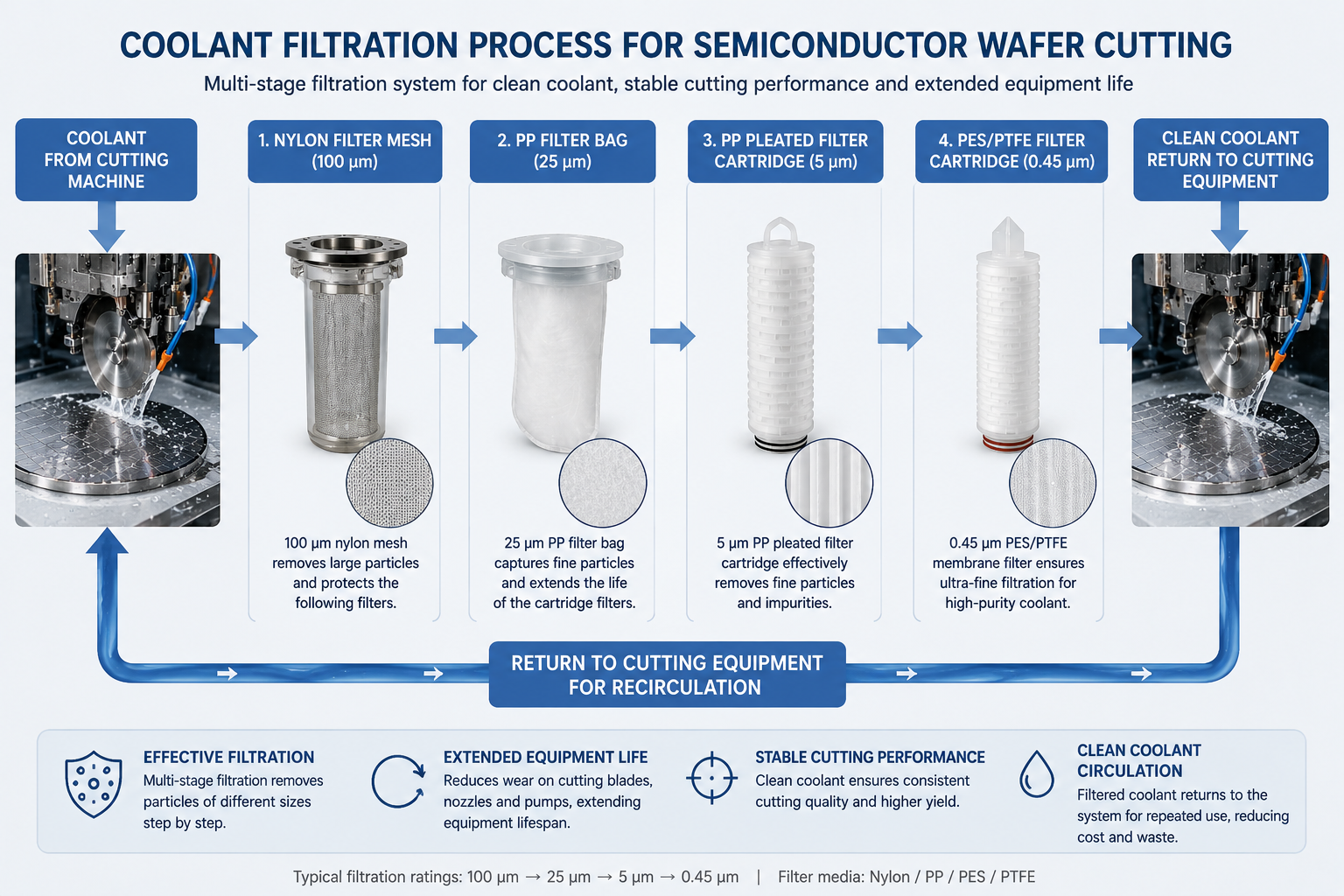
A high-efficiency filtration system generally follows the process below:
Cutting Coolant
↓
100 Micron Nylon Filter Mesh
↓
25 Micron PP Filter Bag
↓
5 Micron PP Pleated Filter Cartridge
↓
0.45 Micron PES/PTFE Membrane Filter
↓
Clean Coolant Returned to Dicing Equipment
Each filtration stage plays a unique role in contaminant removal.
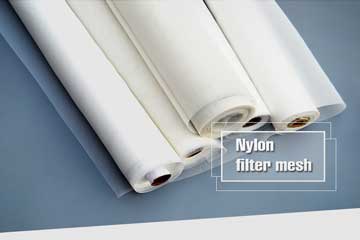
Stage 1: Nylon Filter Mesh for Coarse Particle Removal
What Is Nylon Filter Mesh?
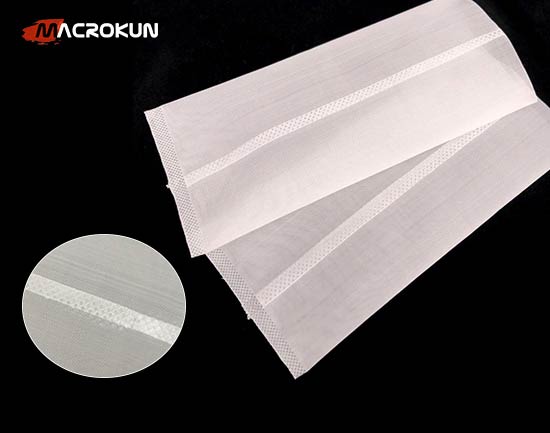
Nylon filter mesh is typically the first filtration stage in a wafer dicing coolant system.
Its primary function is removing large particles before they enter downstream filtration equipment.
Common contaminants captured include:
- Large silicon fragments
- Metal chips
- Ceramic particles
- Blade wear debris
Typical Specifications
| Parameter | Value |
|---|---|
| Material | Nylon Monofilament |
| Micron Rating | 100 μm |
| Mesh Count | 150–200 Mesh |
| Operating Temperature | Up to 120°C |
Advantages of Nylon Filter Mesh
- Excellent abrasion resistance
- High tensile strength
- Precise mesh openings
- Long service life
- Easy cleaning and reuse
Because of its durability and filtration accuracy, nylon filter mesh for wafer dicing applications is widely used throughout the semiconductor industry.
Stage 2: PP Filter Bags for Intermediate Filtration
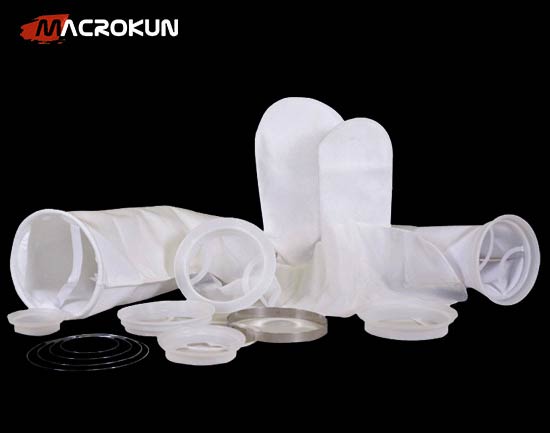
After coarse filtration, coolant flows through a 25 micron polypropylene filter bag.
Why Use PP Filter Bags?
Polypropylene filter bags provide:
- High dirt-holding capacity
- Low replacement cost
- Excellent chemical compatibility
- High flow rates
At this stage, the filter bag captures:
- Fine silicon particles
- Abrasive residues
- Suspended solids
Common Filter Bag Specifications
- 25 Micron Filter Bag
- 10 Micron Filter Bag
- High Efficiency Filter Bag
- Size #1 Filter Bag
- Size #2 Filter Bag
For semiconductor coolant systems, welded seam and glazed surface filter bags are often preferred to minimize fiber migration.
Stage 3: PP Pleated Filter Cartridges for Fine Filtration
The next filtration stage typically uses a 5 micron pleated filter cartridge.
Benefits of Pleated Filter Cartridges
Compared with standard depth filters, pleated cartridges offer:
- Larger filtration area
- Lower pressure drop
- Higher flow capacity
- Longer service life
These cartridges effectively remove:
- Fine silicon powder
- Sub-visible particles
- Residual contaminants
Common Materials
- Polypropylene Pleated Filter Cartridge
- High Flow Filter Cartridge
- Melt Blown Cartridge
For wafer dicing systems, 5 micron pleated cartridges are commonly used as the final pre-filtration stage.
Stage 4: PES and PTFE Membrane Filters for Precision Filtration
The final filtration stage uses membrane technology to achieve ultra-clean coolant quality.
PES Membrane Filters
PES (Polyethersulfone) filters provide:
- High filtration efficiency
- Low extractables
- Excellent flow rates
- Semiconductor-grade cleanliness
Applications include:
- Ultrapure water systems
- Process chemical filtration
- Dicing coolant polishing
PTFE Membrane Filters
PTFE filters are selected when superior chemical resistance is required.
Advantages include:
- Resistance to strong acids and bases
- Extremely low contamination risk
- High particle retention efficiency
PTFE membrane filters are frequently used in advanced semiconductor fabrication facilities.
Benefits of Multi-Stage Wafer Dicing Filtration Systems
Implementing a properly designed filtration system offers significant operational advantages.
Improved Chip Yield
Cleaner coolant minimizes contamination and reduces wafer defects.
Extended Blade Life
Removing abrasive particles helps protect expensive diamond dicing blades.
Lower Operating Costs
Efficient filtration reduces coolant replacement frequency and maintenance costs.
Enhanced Equipment Reliability
Cleaner coolant prevents nozzle blockage and pump wear.
Better Process Stability
Consistent filtration performance supports tighter manufacturing tolerances.
How to Select the Right Filtration Components
When selecting filtration products for semiconductor applications, consider:
Particle Size Distribution
Analyze contaminant sizes before selecting micron ratings.
Chemical Compatibility
Ensure filter materials are compatible with coolant chemistry.
Flow Requirements
Higher flow systems may require larger filter housings or high-flow cartridges.
Cleanliness Standards
Advanced semiconductor processes often require low-extractable filtration media.
Recommended Filtration Products for Wafer Dicing Systems
For semiconductor manufacturers and filtration integrators, the following products are commonly recommended:
Nylon Filter Mesh
- 50 Micron Nylon Mesh
- 75 Micron Nylon Mesh
- 100 Micron Nylon Mesh
- 150 Micron Nylon Mesh
Filter Bags
- 25 Micron PP Filter Bags
- 10 Micron High Efficiency Filter Bags
- Semiconductor Grade Filter Bags
Cartridge Filters
- 5 Micron Pleated Filter Cartridges
- High Flow Filter Cartridges
- PES Membrane Filters
- PTFE Membrane Filters
Conclusion
A high-performance wafer dicing filtration system is essential for maintaining coolant cleanliness, protecting cutting equipment, and maximizing semiconductor manufacturing yields.
By combining nylon filter mesh, polypropylene filter bags, pleated filter cartridges, and PES/PTFE membrane filters, manufacturers can achieve efficient multi-stage contaminant removal while extending equipment life and reducing operating costs.
As semiconductor fabrication technology continues to evolve, advanced filtration solutions will remain a key factor in ensuring precision, reliability, and production efficiency.
Frequently Asked Questions
What micron filter mesh is used for wafer dicing?
Most wafer dicing systems use 100 micron nylon filter mesh as the first-stage coarse filtration component.
Why is nylon filter mesh preferred in semiconductor filtration?
Nylon mesh offers excellent abrasion resistance, precise openings, high strength, and long service life.
What is the purpose of a 25 micron filter bag?
It removes intermediate-sized contaminants that pass through the coarse mesh stage.
Why use a 0.45 micron membrane filter?
A 0.45 micron PES or PTFE membrane filter removes ultra-fine particles and helps maintain semiconductor-grade coolant cleanliness.
What are the benefits of multi-stage coolant filtration?
Improved chip yield, longer blade life, reduced maintenance costs, and enhanced process stability.
RELATED PRODUCTS
RELATED ARTICLES
Tags:
 WhatsApp