Laser Cut Nylon Mesh: The Precision Solution for Fray-Free Industrial Filtration
Looking for precision laser cut nylon mesh? We offer custom CNC fabrication with heat-sealed, fray-free edges. Ideal for automotive & FDA food-grade use. Request a quote.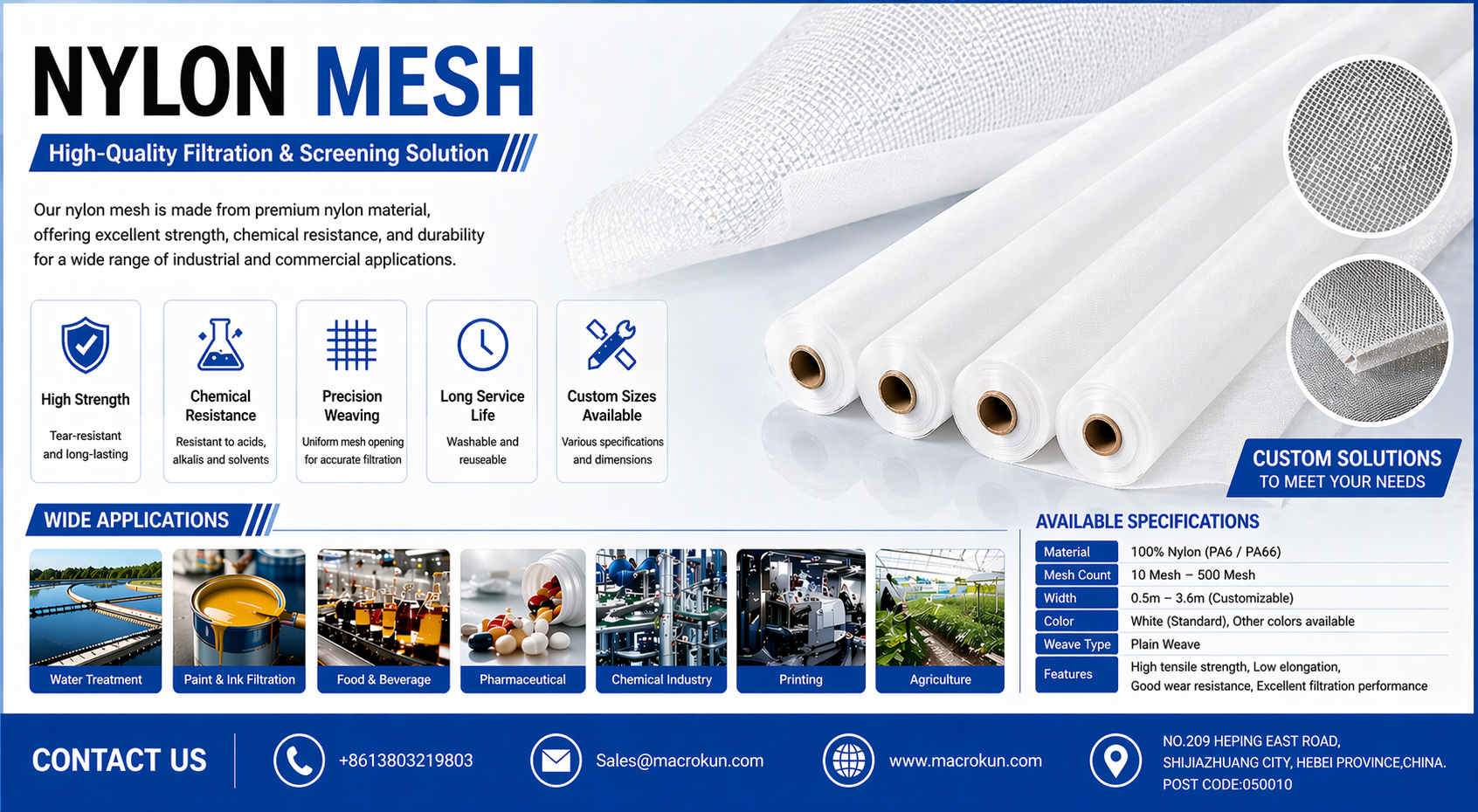
In precision manufacturing, the quality of a filtration component is defined by its edges and dimensional accuracy. For technical polymers like polyamide (PA6/PA66), traditional mechanical die-cutting often falls short, leaving behind loose threads, frayed borders, and burs that compromise fluid system integrity.
Laser cut nylon mesh has emerged as the definitive industry standard for generating high-precision, contamination-free filter discs, ribbons, and custom geometric shapes.
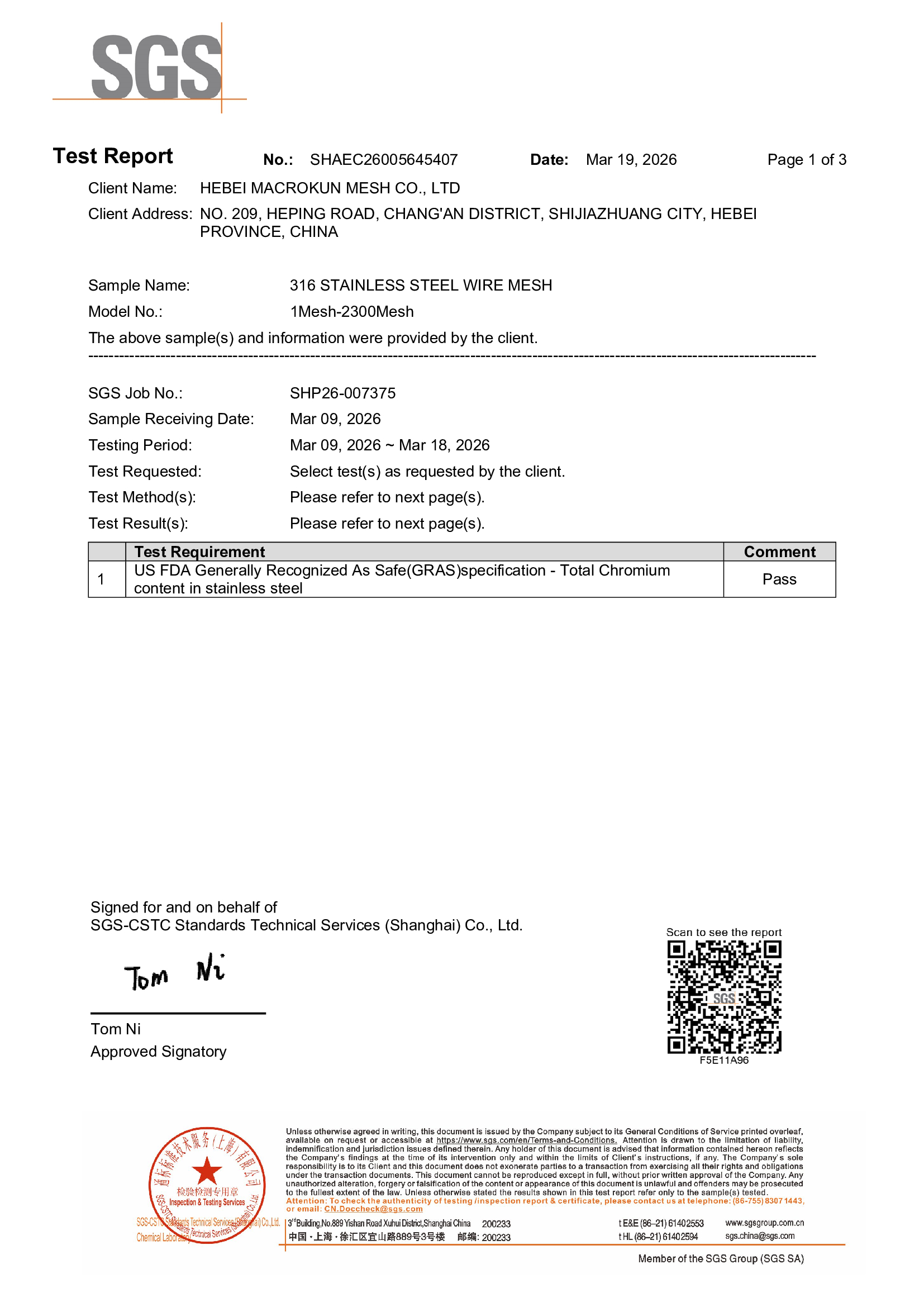
As an advanced OEM/ODM fabrication facility with ISO 9001 and FDA compliance, we provide this engineering guide detailing the mechanics, benefits, and applications of laser-processed nylon filtration components.
1. The Core Challenge of Cutting Nylon Mesh (And How Lasers Solve It)
Nylon is a woven monofilament structure. When subjected to mechanical blades, shears, or traditional stamping tools, the interwoven threads are crushed and severed unevenly. This leads to two critical failure modes:
- Fiber Migration (Fraying): Loose nylon threads detach from the edges, bypassing downstream filters and contaminating the filtered media.
- Distorted Apertures: Mechanical pressure warps the precise micron openings near the cut zone, altering flow rates and filtration efficiency.
The Laser Advantage: Sealed Edges (Melt-Sealing)
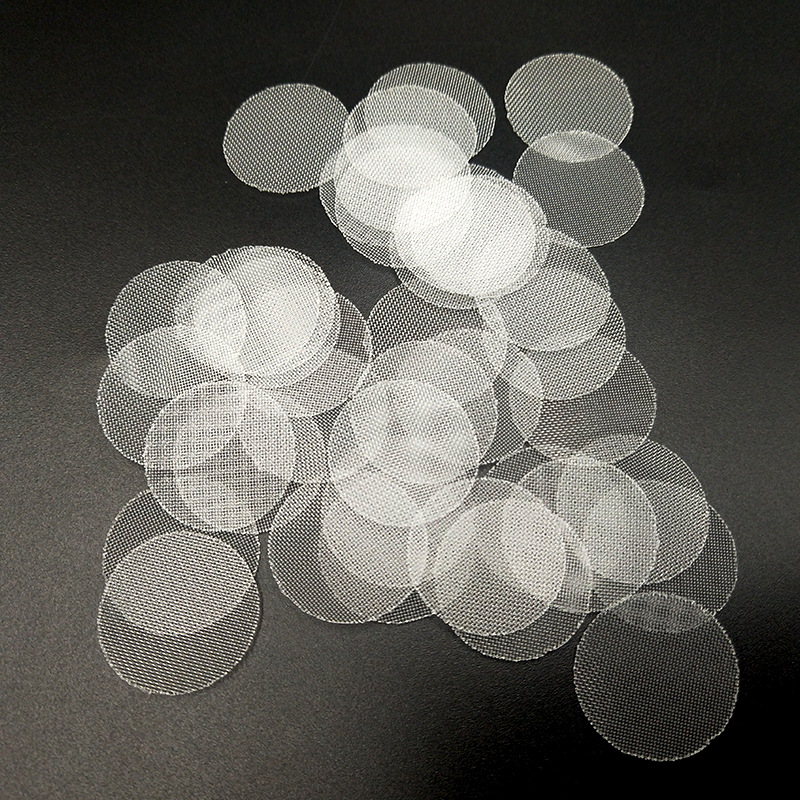
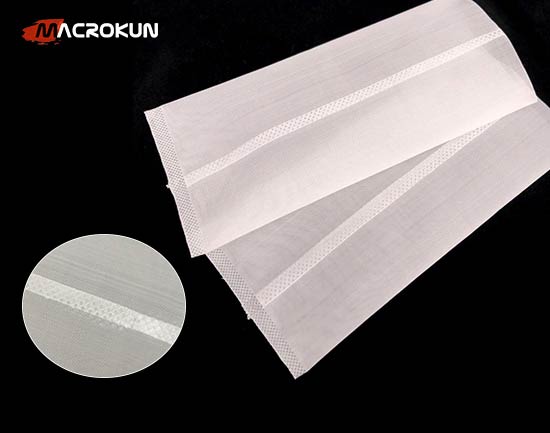
CNC laser cutting is a non-contact thermal process. A highly focused laser beam melts the nylon fibers instantly along a programmed vector pathway. As the material cools, the fiber ends at the perimeter fuse perfectly together.
This creates a smooth, permanent heat-sealed edge [1] that completely eliminates loose threads [1] while maintaining the exact structural geometry of the inner micron mesh apertures.
2. Technical Specifications of Our Laser Cutting Capabilities
To meet the stringent tolerance requirements of automotive, aerospace, and medical device manufacturing, our facility operates high-speed CNC CO2 laser systems optimized specifically for synthetic filtration textiles.
| Capability | Technical Parameter Range | Engineering Application |
|---|---|---|
| Dimensional Tolerance | Up to ±0.1 mm (0.004 inches) | Ensures seamless integration into injection-molded automotive caps or medical housings. |
| Micron Range Compatibility | Ultra-fine 5 μm to ultra-coarse 1500 μm [1] | Processes high-density bolting cloth without melting the internal apertures [1]. |
| Geometric Capabilities | Circles, concentric rings, rectangles, slots, and complex CAD vector shapes [1] | Eliminates the expensive tooling costs associated with complex mechanical dies. |
| Material Optimization | PA6 and PA66 Nylon Monofilament [1] | Optimized laser frequency parameters to prevent thick, un-uniform edge beads. |
3. Top Critical Applications for Laser-Cut Nylon Components
Because laser processing guarantees a non-fraying edge [1] and zero adhesive contamination, these custom components are heavily utilized in zero-tolerance environments:
- Automotive Fluid Filtration: Laser-cut nylon discs and rings are over-molded into oil, brake fluid, and fuel filter assemblies to protect sensitive hydraulic pumps from particulate wear.
- Medical Devices & Diagnostics: Woven nylon mesh strips are precisely cut to fit blood transfusion sets, respiratory filters, and diagnostic test strips where fiber migration could be fatal.
- Food & Beverage Processing: Precision rings and squares certified food-grade (FDA compliant) [1] are integrated into coffee brewers, commercial juice extractors, and industrial flour mill sifting machines.
- Electronics & Appliances: Custom acoustic and protective dust meshes are laser-slit to fit smart speakers, microphone arrays, and high-efficiency vacuum cleaner air exhausts.
4. Engineering Best Practices: Controlling the "Edge Bead"
While thermal laser cutting delivers a non-fray edge, an uncalibrated laser can create a thick, hardened plastic bead at the perimeter (known as the "edge bead"). If this bead is too large, it can cause thickness variations that disrupt insert-molding or press-fitting assembly lines.
Our Quality Control Protocol:
- Micro-Adjusted Pulse Parameters: We utilize ultra-short laser pulses and gas-assist cutting nozzles to clear vaporized nylon instantly, keeping the edge melt-zone uniform and microscopic.
- Optical Inspection: 100% of custom orders undergo high-magnification optical comparator testing to verify both the outer disc diameter and the edge bead consistency.
5. Frequently Asked Questions (FAQ)
Q1: Does laser cutting alter the mesh openings (micron rating) near the cut line?
Our advanced CNC lasers utilize highly focused optical lenses that minimize the Heat Affected Zone (HAZ). The melting effect is limited strictly to the outermost 1 to 2 warp/weft threads. The interior micron openings remain perfectly unaltered, ensuring predictable flow velocity and filtration metrics.
Q2: What parameters do I need to provide for a rapid custom quote?
To expedite your quote, please provide the mesh micron rating, overall dimensions (or a CAD .DXF/.DWG file), estimated order volume, and your compliance requirements (e.g., FDA food contact or medical grade).
Q3: How do you ensure the laser-cut mesh is clean of dust and soot?
After laser processing, all fabricated nylon discs and shapes undergo an intensive automated ultrasonic cleaning and drying cycle. This removes any trace micro-particles or airborne dust before the products are vacuum-sealed in clean-room packaging.
Accelerate Your Filtration Project with Precision Laser Cutting
Don't let loose fibers compromise your product's performance. Partner with an industry-vetted manufacturer capable of high-volume CNC laser processing with guaranteed tolerances.
RELATED PRODUCTS
RELATED ARTICLES
Tags:
 WhatsApp