The Comprehensive Guide to Nylon Filter Bags: Engineering Precision for Industrial Excellence in 2026
In the complex ecosystem of modern industrial filtration, the nylon filter bag remains the definitive choice for precision, durability, and cost-efficiency. Whether you are managing high-volume water treatment, chemical processing, or specialized botanica
In the complex ecosystem of modern industrial filtration, the nylon filter bag remains the definitive choice for precision, durability, and cost-efficiency. Whether you are managing high-volume water treatment, chemical processing, or specialized botanical extraction, the choice of your filtration media is the thin line between product excellence and costly contamination.
As global manufacturing standards evolve in 2026, professional procurement is shifting away from "commodity" bags toward high-performance nylon filter bags designed for specific micron accuracy and chemical resilience. This guide serves as the ultimate technical and commercial resource for selecting, implementing, and optimizing nylon filtration systems.
1. The Engineering of Nylon: Why PA6 and PA66 Matter
When we discuss nylon filter bags, we are primarily referring to Polyamide (PA) fibers. In an industrial context, the distinction between monofilament and multifilament weaves is the most critical factor for performance.
Monofilament Nylon Mesh
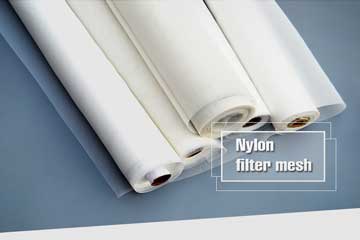
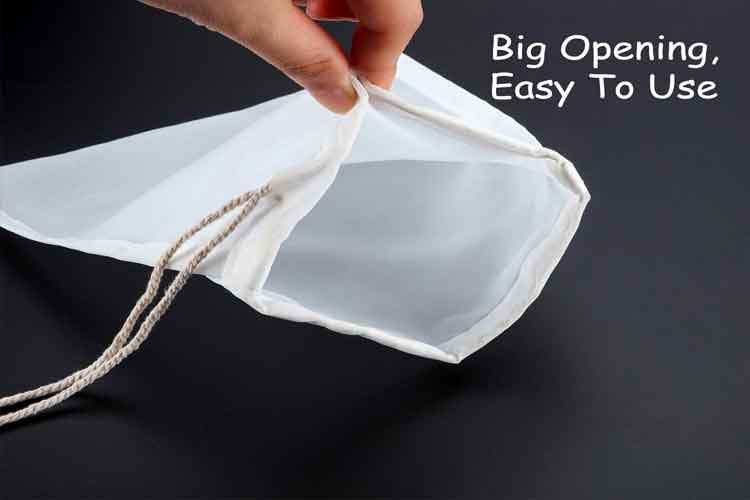
Most high-end nylon filter bags utilize monofilament mesh. Each thread is a single, continuous strand woven into a precise grid.
-
Fixed Pore Size: The heat-set weave ensures that the micron rating remains stable, even under varying pressure.
-
Surface Filtration: Contaminants are trapped on the surface of the mesh, making these bags easier to clean and wash for multiple uses.
-
Zero Fiber Migration: Unlike felt bags, monofilament nylon does not "shed" fibers into your filtrate—a non-negotiable requirement for food and pharmaceutical industries.
Chemical and Thermal Properties
Nylon is celebrated for its mechanical "toughness."
-
Temperature Range: Operates effectively up to 100°C to 115°C.
-
pH Stability: Excellent resistance to alkalis and common organic solvents.
-
Elasticity: Nylon possesses a high flex-life, allowing the nylon filter bag to withstand pressure surges that would rupture more brittle materials.
2. Technical Specifications: The Micron Spectrum
Choosing the right nylon filter bags requires a deep understanding of the particle size you intend to capture. In 2026, precision is the new standard.
| Micron Rating (μm) | Weave Type | Typical Industry Application |
| 1 $\mu m$ - 25 $\mu m$ | Ultra-Fine Monofilament | Fine chemical polishing, high-end lab filtration |
| 50 $\mu m$ - 150 $\mu m$ | Precision Mesh | Food and Beverage, botanical extraction, coatings |
| 200 $\mu m$ - 400 $\mu m$ | Durable Monofilament | Water treatment, cooling towers, pre-filtration |
| 500 $\mu m$ - 1000 $\mu m$ | Heavy-Duty Mesh | Coarse straining, large debris removal |
The Flow Rate vs. Pressure Drop Equation
For the technical engineer, the efficiency of a nylon filter bag is defined by its clean pressure drop ($\Delta P$). A higher percentage of open area leads to lower energy consumption for your pumps.
The relationship can be simplified as:

(Where is fluid viscosity, Q is flow rate, and A is the total surface area of the bag.)
3. Construction Standards: Sewn vs. Welded
For the professional procurement manager, how the nylon filter bag is put together is just as important as the fabric itself.
The Problem with Traditional Sewing
In standard sewn bags, the needle creates small holes along the seam. In high-precision applications (under 50 microns), these needle holes can allow "bypass"—where unfiltered liquid escapes through the seam.
The Professional Solution: Welded Seams and Plastic Collars
Leading nylon filter bag manufacturers in 2026 utilize ultrasonic welding.
-
100% Bypass-Free: The seams are fused at a molecular level, ensuring that every drop of liquid passes through the mesh.
-
Integrated Collars: Transitioning from metal rings to molded plastic collars (like the "Sentinel" style) creates a redundant seal against the filter housing lid, further eliminating bypass risks.
4. Key Applications Across Global Industries
The versatility of nylon filter bags makes them indispensable across various high-growth sectors.
A. Food and Beverage (FDA Compliance)
Nylon is naturally hydrophilic and resistant to many food-grade oils and juices. When sourcing nylon filter bags for this sector, ensure they are manufactured in a silicone-free environment and meet FDA CFR 21 standards for food contact.
B. Automotive and Coatings
In paint shops, a single particle can ruin a $10,000 paint job. Nylon filter bags are the industry standard for filtering e-coats, primers, and clearcoats because they offer absolute micron control without introducing contaminants like silicone or loose fibers.
C. Specialized Botanical Extraction
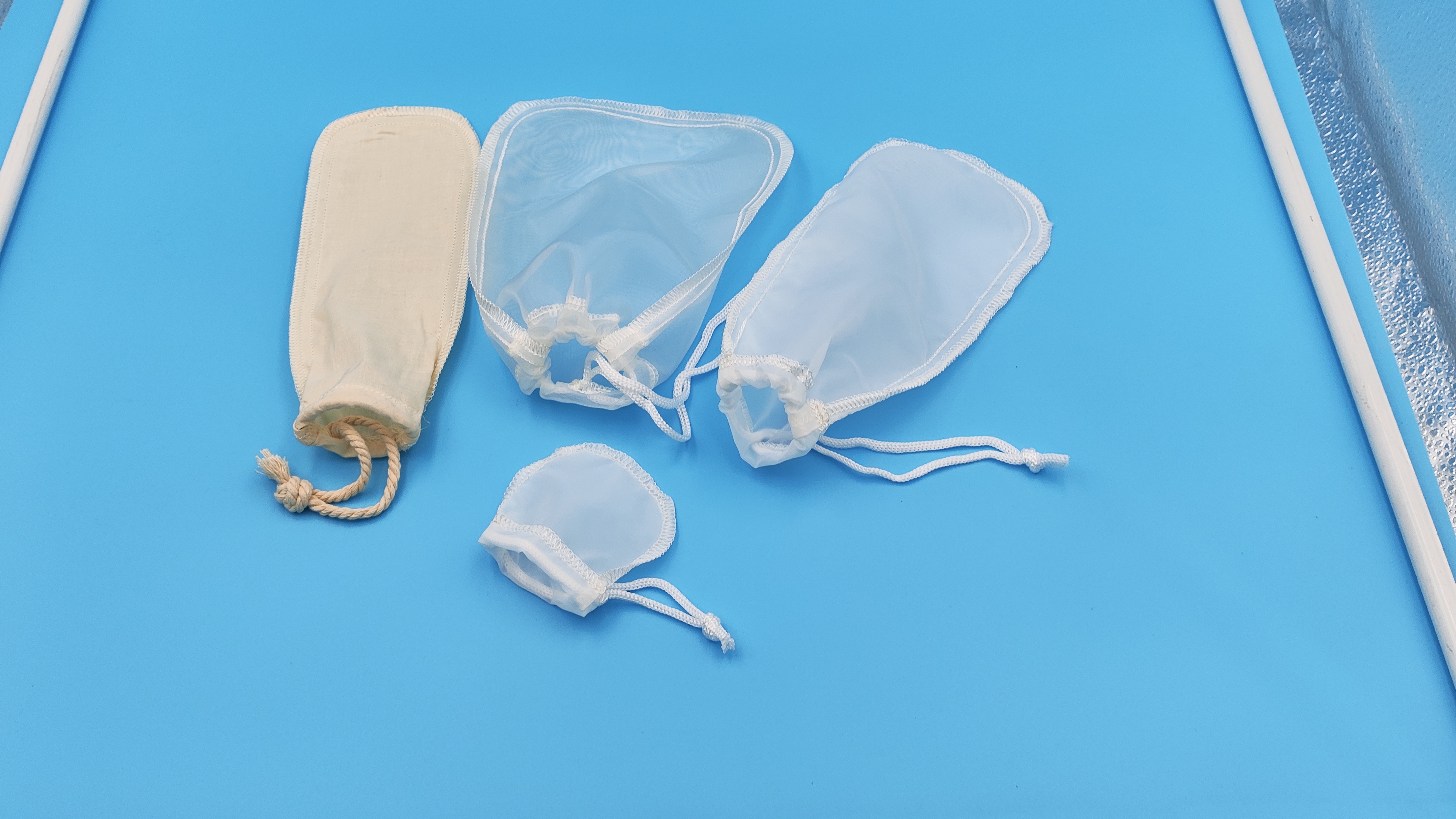
As we’ve discussed in previous industry analyses, the "Bubble Bag" or "Hash Bag" is essentially a specialized nylon filter bag. The monofilament weave allows for the precise isolation of glandular structures based on their micron diameter, ensuring the highest possible purity for concentrates.
5. Strategic Procurement: The ROI of Quality
Why should a facility manager pay more for a premium nylon filter bag? The answer lies in the Total Cost of Filtration (TCF).
-
Reduced Batch Rejection: A single failed batch due to bypass or fiber migration can cost 100x the price of a premium filter bag.
-
Longer Operational Cycles: High-tensile nylon resists "blinding" (clogging) longer than cheaper alternates, meaning fewer bag changes and lower labor costs.
-
Waste Management: Durable monofilament bags can often be rinsed and reused in non-sterile applications, reducing the environmental footprint and disposal costs of the facility.
6. Comparison: Nylon vs. Polyester vs. Polypropylene
| Feature | Nylon (PA) | Polyester (PE) | Polypropylene (PP) |
| Max Temp | 115°C | 150°C | 90°C |
| Alkali Resistance | Excellent | Poor | Excellent |
| Acid Resistance | Poor | Good | Excellent |
| Fiber Migration | Zero (Monofilament) | Moderate (Felt) | Moderate (Felt) |
| Hydrophilicity | High | Low | Low |
7. Frequently Asked Questions (FAQ)
Q: Can I wash and reuse my nylon filter bags?
A: Yes, especially monofilament versions. Because the contaminants sit on the surface of the mesh, they can often be back-washed or sprayed down. However, in sterile or food-grade environments, single-use is always recommended to prevent cross-contamination.
Q: What is the "Effective Filtration Area" of a standard Size 2 bag?
A: A standard #2 nylon filter bag typically offers approximately 0.5 square meters ($5.0 ft^2$) of surface area, capable of handling flow rates up to 80-100 GPM for aqueous liquids.
Q: Does nylon react with bleach?
A: No. Nylon has poor resistance to strong oxidizing agents like bleach (sodium hypochlorite). For applications involving high concentrations of bleach, polypropylene is a better material choice.
Conclusion: Choosing Your Filtration Partner
In 2026, the global market for nylon filter bags is about more than just "supplying a product." It is about engineering a solution that protects your equipment, your product, and your bottom line. By selecting high-precision monofilament mesh, bypass-free welded construction, and compliant materials, you are investing in the long-term success of your production line.
Ready to upgrade your filtration efficiency? Our technical sales team specializes in custom-engineered nylon filter bags for the most demanding industrial applications. Contact us today for a compatibility audit and wholesale quotation.
[Request a Technical Quote] | [Download the 2026 Filtration Catalog] | [Consult with an Engineer]
Tags: 0.1 micron filter bag 0.5 micron filter bag 1 micron filter bag 50 micron filter bag 25 micron filter bag 10 micron filter bag 1000 micron filter bag 5 micron filter bag micron filter bag micron filter bags 25 micron filter bags 100 micron filter bag 180 micron filter bag 250 micron filter bag 200 micron filter bag 200 micron filter bags 100 micron filter bags 1 micron filter bags micron filter bags near me 05 micron filter bag 30 micron filter bag 150 micron filter bag 10 micron filter bags 200 micron filter bag wholesale 0.1 micron filter bag wholesale 500 micron filter bag 400 micron filter bag 50 micron filter bag wholesale 400 micron filter bag wholesale 20 micron filter bag 0.1 micron filter bag factory in china 500 micron filter bag factory in china 20 micron filter bag wholesale 5 micron filter bag wholesale 250 micron filter bag factory in china 150 micron filter bag wholesale in china micron filter bag wholesale in china 190 micron filter bag 400 micron filter bag factory in china
nylon filter bag Nylon Filter Bags
Pre:String Wound Filter Cartridge: A Reliable Depth Filtration Solution for Industrial Water Treatment
Next:25 Micron PP Filter Bag for Industrial Liquid Filtration | Supplier & Manufacturer Guide
Tags:
 WhatsApp