100% Pure Silk Mesh: The Ultimate Guide to High-Precision Filtration and Bio-Mechanical Excellence
Are you looking for high-performance, 100% natural mulberry silk mesh for your next project? Ensure you are sourcing from providers who offer full transparency on mesh count, thread diameter, and degumming processes. In a world of synthetics, choose t
In the rapidly evolving landscape of industrial materials and laboratory research, the quest for the "perfect fiber" often leads us back to one of nature’s oldest masterpieces: 100% pure silk.
While synthetic alternatives like nylon and polyester have dominated the market for decades due to their low cost, they often fail to meet the rigorous demands of high-end sifting, professional screen printing, and advanced bio-medical engineering. In this comprehensive guide, we explore why 100% pure natural silk mesh remains the gold standard for professional players and connoisseurs of high-performance materials.
1. What Defines 100% Pure Silk Mesh?
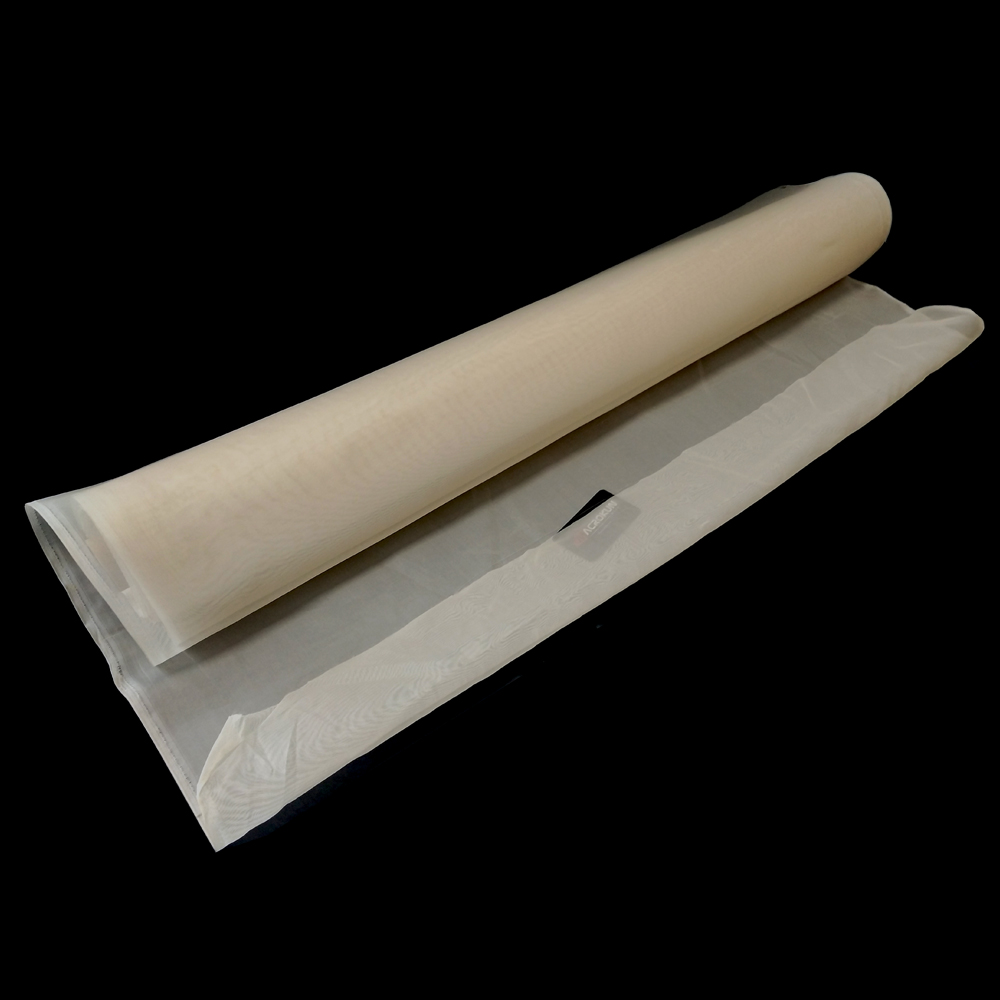
When we speak of 100% pure silk mesh, we are referring to a precision-woven fabric made exclusively from natural mulberry silk fibers. Unlike "silk-touch" or "silk-like" synthetics, authentic silk mesh is composed of Fibroin, a structural protein that offers a unique combination of tensile strength and microscopic smoothness.
The Anatomy of the Fiber
Natural silk consists of two primary proteins: Fibroin (the structural core) and Sericin (the natural gum). High-quality silk mesh undergoes a meticulous degumming process to ensure that only the pure, high-strength fibroin remains. This results in a mesh that is:
-
Chemically Inert: It does not react with most organic solvents or delicate chemical compounds.
-
Anti-static: Unlike nylon, silk does not generate static electricity, making it essential for sifting fine, volatile powders or electronic components.
-
Biocompatible: It is the only mesh material that can be safely integrated into human tissue engineering and medical research.
2. Industrial Applications: Why Professionals Choose Natural Silk
The modern industrial sector is shifting back toward natural materials, driven by both performance needs and stringent purity requirements.
High-Precision Flour Bolting and Food Processing
In the milling industry, Silk Bolting Cloth is legendary. Traditional mills and high-end organic food processors use 100% pure silk because of its "elastic memory." When sifting fine flour or spices, silk mesh maintains its tension without stretching over time, ensuring a consistent particle size (micron rating) that synthetics simply cannot match. Furthermore, the absence of plasticizers ensures that no chemical micro-particles contaminate the food supply.
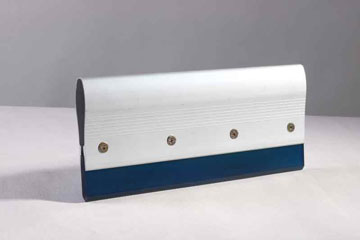
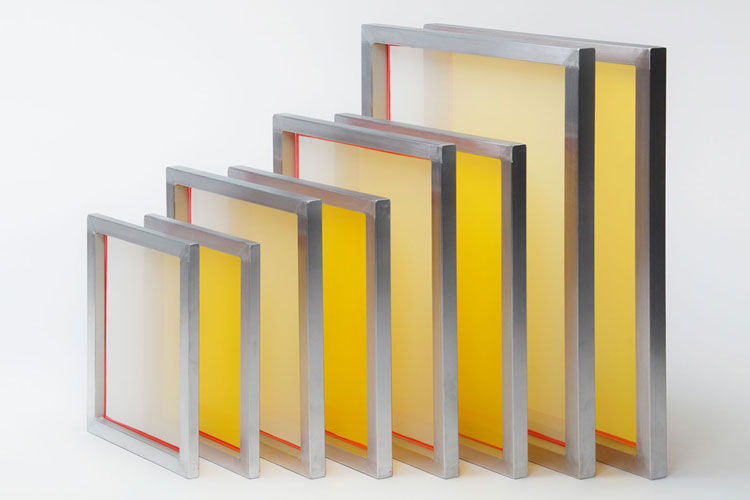
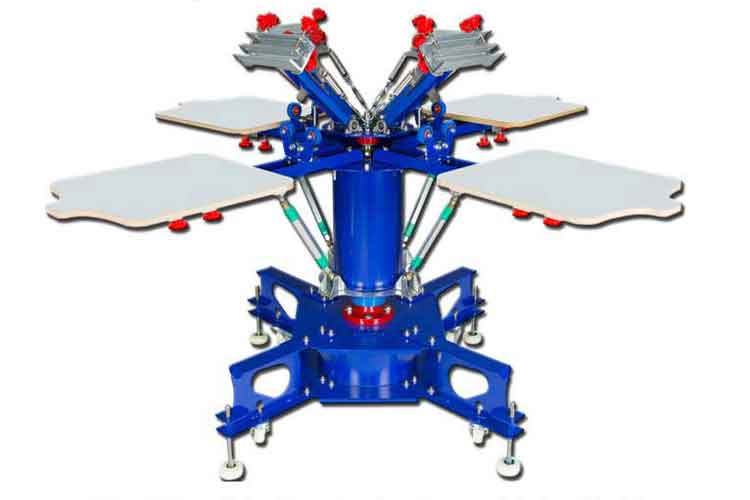
Professional Screen Printing
For professional players in the printing world, silk is where the craft began. While polyester is common for mass production, natural silk screen mesh is preferred for high-value projects:
-
Superior Ink Absorption: Natural fibers hold ink and emulsions more effectively than smooth plastic threads.
-
Dimensional Stability: The ability to weave silk at extremely high mesh counts allows for unparalleled detail in high-end art reproduction and archival printing.
3. The Bio-Medical Frontier: Silk Fibroin Mesh
One of the most significant areas of interest for pure silk mesh today is its role in Regenerative Medicine. 100% pure silk mesh is currently being utilized as:
-
Surgical Scaffolds: Providing a structure for cell growth that eventually biodegrades safely within the body, replacing the need for permanent synthetic implants.
-
Advanced Wound Dressings: The natural breathability and protein structure of silk accelerate healing and reduce inflammation by maintaining an optimal moisture balance.
4. Technical Specifications: Choosing the Right Mesh Count
Understanding the technicality of silk mesh is crucial for professional procurement. Below is a standard reference for 100% Pure Silk Mesh grades used in global laboratory and industrial standards:
| Grade/Type | Mesh Count (per inch) | Opening (Microns) | Primary Use |
| CQ High Grade | 10 - 200 | 2100 - 75 | Industrial Filtration / Sifting |
| Mulberry Fine | 200 - 400 | 75 - 38 | Lab Research / Bio-technology |
| Archival Grade | Ultra-Fine | < 30 | Artifact Restoration / Conservation |
How to Measure Quality: The "Momme" and the "Mesh"
In the world of pure silk, we don't just talk about "thickness." We talk about Momme (mm) for weight and Mesh Count for density. For a mesh to be truly 100% pure, it must be free from any polyester "reinforcement" threads, which are often hidden in cheaper "silk-blend" products. Professional players always verify the weight-to-mesh ratio to ensure the material can withstand the required mechanical stress.
5. Pure Silk vs. Synthetic Mesh: The Critical Comparison
To understand the value proposition of pure silk, one must compare it against common polymers:
| Feature | 100% Pure Silk Mesh | Synthetic (Nylon/Polyester) |
| Static Charge | Zero / Anti-static | High (Attracts dust/clogs) |
| Heat Resistance | High (Carbonizes, doesn't melt) | Low (Melts at high temps) |
| Eco-Impact | 100% Biodegradable | Microplastic Pollutant |
| Surface Energy | High (Excellent adhesion) | Low (Requires chemical treatment) |
| Chemical Purity | Protein-based (Natural) | Petroleum-based (Synthetic) |
6. How to Identify Authentic 100% Pure Silk Mesh
As a buyer, you must be vigilant against "silk-style" imitations. The "Burn Test" remains the most reliable field method for 100% pure silk:
-
The Reaction: Pure silk burns slowly and curls away from the flame. It does not stay lit once the flame is removed.
-
The Smell: It smells like burning human hair or feathers (due to the high nitrogen content in the protein).
-
The Residue: It leaves a brittle, black powdery ash that crushes easily between fingers. If it melts into a hard plastic bead or emits a chemical odor, it is not 100% pure silk.
7. Strategic Implementation in Research and Production
When integrating 100% pure silk mesh into your workflow, consider the following environmental factors:
-
Moisture Management: Unlike plastic, silk is hygroscopic. It performs best in controlled humidity environments where its elasticity can be utilized to its full potential.
-
Solvent Compatibility: Silk is remarkably resistant to hydrocarbons and alcohols, making it an ideal candidate for filtering high-purity botanical extracts and essential oils.
-
Cleaning and Longevity: To maintain the integrity of the mesh, ultrasonic cleaning is recommended over harsh mechanical scrubbing, ensuring the micron-level openings remain unobstructed for years of service.
8. Conclusion: The Future of Silk Mesh
Whether you are a laboratory researcher developing the next generation of skin grafts, or an industrial engineer looking for a plastic-free, anti-static filtration solution, 100% pure silk mesh offers a unique intersection of tradition and technology. Its mechanical properties, combined with its environmentally friendly profile, make it an indispensable tool for the modern professional.
In an era where precision and purity are paramount, the natural complexity of the silk fiber remains unmatched by synthetic science. By choosing pure silk, you are not just selecting a filter or a screen; you are investing in a high-performance material that has stood the test of time.
Are you looking for high-performance, 100% natural mulberry silk mesh for your next project? Ensure you are sourcing from providers who offer full transparency on mesh count, thread diameter, and degumming processes. In a world of synthetics, choose the purity and performance of nature.
Silk Mesh 100% Pure Silk MeshPre:How to find screen printing mesh suppliers that deliver precision, consistency, and reliability
Next:The Ultimate Guide to Screen Printing Mesh Sizes: Precision Selection for 2026

Tags:
 WhatsApp