100% Natural Silk Mesh: The Definitive Guide to High-Precision Filtration and Bio-Performance
As we look toward the future of manufacturing and research, the role of 100% Natural Silk Mesh is expanding. It is no longer just a relic of traditional milling; it is a high-performance material that answers the modern call for precision, safety, and sus
In an industrial world increasingly saturated with synthetic polymers, the return to nature is not merely a trend—it is a technical necessity. While nylon and polyester have their place, certain high-stakes applications in filtration, screen printing, and biotechnology demand the unique molecular architecture that only 100% Natural Silk Mesh can provide.
This guide explores the mechanical advantages, specialized applications, and critical selection criteria for pure silk mesh, helping professional players navigate the complexities of this premium material.
1. The Molecular Superiority of Pure Silk Fibers
Natural silk is not just a fabric; it is a structural protein fiber, primarily composed of Fibroin. Unlike the smooth, non-porous surface of extruded plastic, a natural silk thread possesses a hierarchical ultrastructure that provides a distinct functional profile.
Anti-Static Properties by Nature
One of the most significant advantages of 100% natural silk mesh is its inherent resistance to static electricity. In fine powder sifting—particularly for volatile substances like gunpowder or specialized chemical pigments—synthetic mesh can generate sparks through friction. Natural silk, due to its moisture-retentive protein structure, dissipates static naturally, ensuring safety and precision in hazardous environments.
Tensile Strength and Elastic Memory
Mulberry silk fibers possess a tensile strength comparable to high-grade steel of the same diameter, but with a critical difference: Elastic Memory. When subjected to the high tension of a screen-printing frame or the pressure of a liquid filter housing, pure silk mesh maintains its dimensional stability without the permanent "sagging" often seen in low-grade polyesters.
2. Specialized Industrial Applications
Where standard materials fail, natural silk mesh thrives. We categorize its primary professional uses into three high-performance sectors:
I. Precision Sifting and Bolting (The Gold Standard)
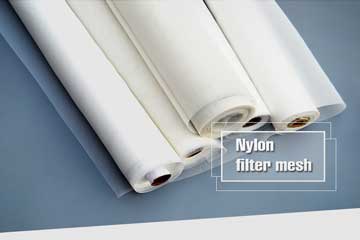
In the milling and abrasive industries, "Silk Bolting Cloth" remains the benchmark.
-
Flour Milling: High-end organic mills utilize silk for its "soft" sifting action, which prevents the overheating of fine particles during the sifting process.
-
Emery Classification: For rotary sanders and precision abrasives, the uniform mesh openings of pure silk ensure that grit sizes are separated with micron-level accuracy.
II. High-Value Screen Printing
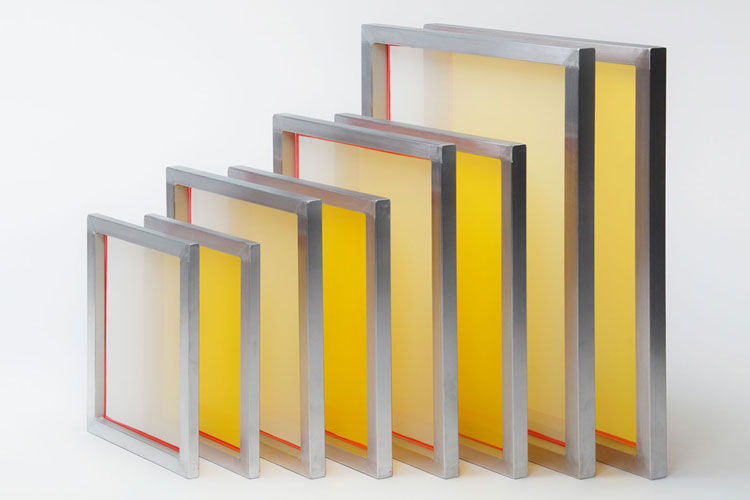
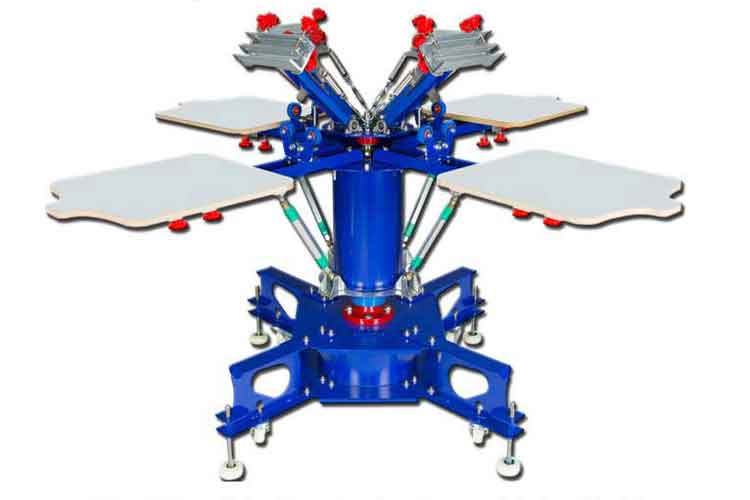
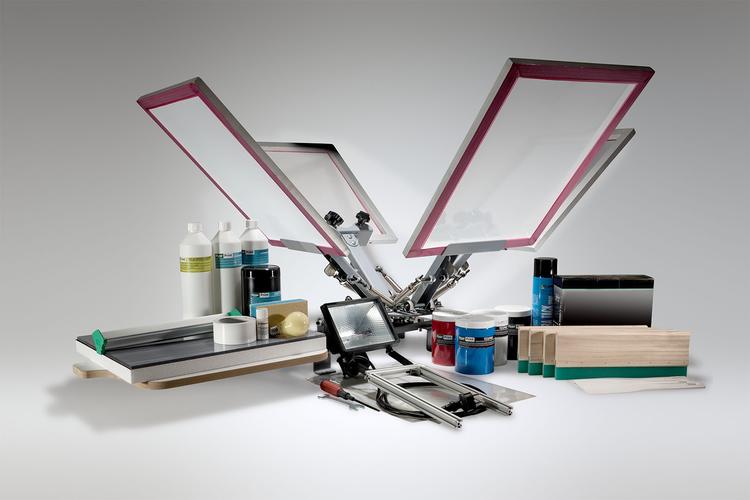
For professional printers working with high-viscosity inks or delicate substrates, natural silk provides superior "wetting" capabilities. The natural affinity between silk protein and specialized emulsions leads to cleaner edge definition and more consistent ink deposit control.
III. Bio-Medical and Research Engineering
Modern laboratories are increasingly turning to 100% natural silk mesh for Tissue Engineering. Because silk fibroin is biocompatible and has controllable degradation rates, it serves as an ideal scaffold for cell growth.
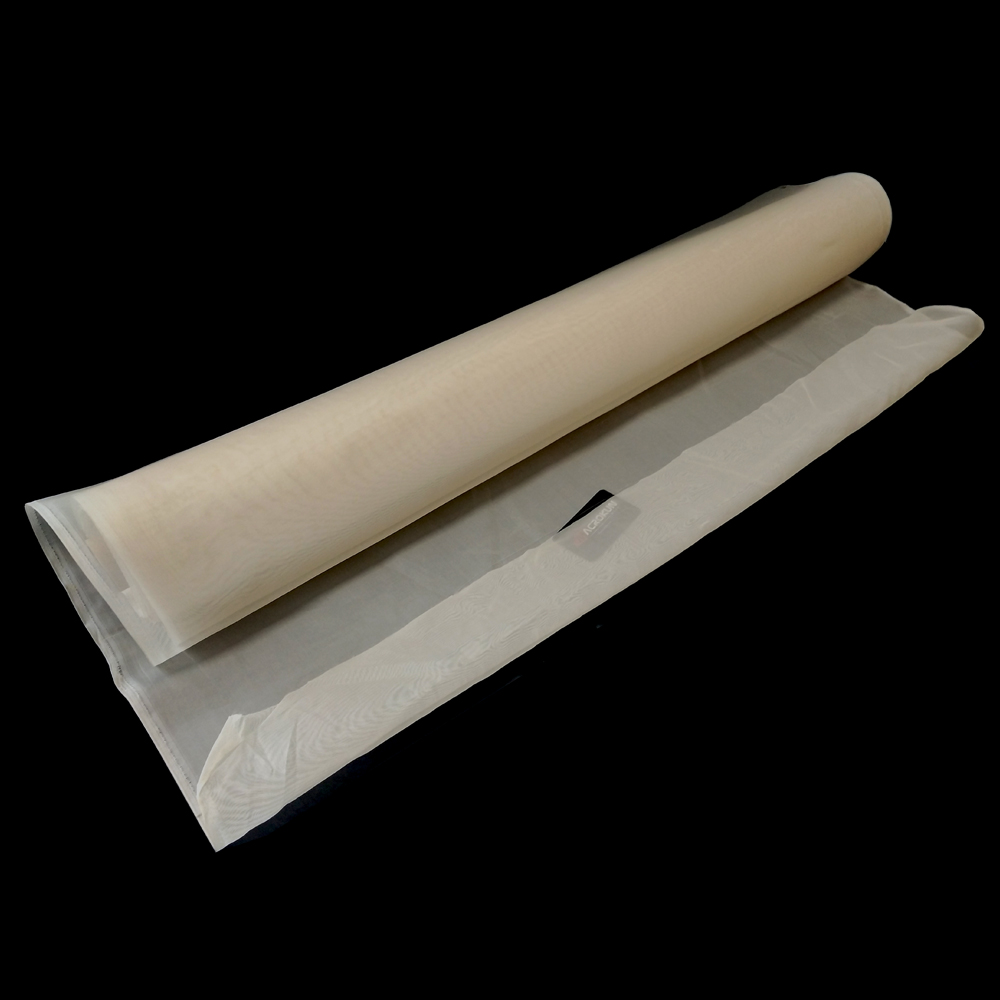
3. Technical Specifications and Mesh Grading
Selecting the right silk mesh requires an understanding of the relationship between Mesh Count, Micron Opening, and Weave Type.
Weave Patterns for Stability
For professional applications, the weave pattern determines the longevity of the mesh:
-
Plain Weave: Ideal for high mesh counts (above 30 mesh/cm), providing a smooth, uniform surface for fine filtration.
-
Leno (Twist) Weave: Used for lower mesh counts and larger apertures to ensure that the threads do not shift under mechanical stress, maintaining the integrity of the hole size.
Standard Grading Reference Table
| Grade Designation | Mesh Count (per inch) | Micron Opening | Typical Application |
| Industrial Prime | 10 - 150 | 2000 - 100 | Large-scale liquid filtration |
| Laboratory Fine | 150 - 350 | 100 - 45 | Chemical & Medical Sifting |
| Ultra-Precision | 350 - 500+ | < 45 | Archival Restoration / Micro-filtration |
4. Pure Silk vs. Synthetic Mesh: A Comparative Analysis
When deciding between natural silk and synthetic alternatives, professionals must weigh the following factors:
-
Heat Resistance: Natural silk does not melt. Under extreme heat, it carbonizes, which prevents the "dripping" of molten plastic that can contaminate a filtered batch.
-
Chemical Compatibility: Silk is remarkably resistant to a wide range of organic solvents, essential oils, and mild acids, though it should be protected from strong alkalis.
-
Environmental Impact: 100% natural silk is fully biodegradable. In 2026, as industries move toward zero-waste and plastic-free manufacturing, silk mesh provides a sustainable path forward without sacrificing performance.
5. Provenance and Quality Assurance: The "Burn Test"
The market is unfortunately flooded with "silk-style" synthetics. For professional procurement, verifying the material's purity is non-negotiable.
To identify 100% Pure Natural Silk Mesh, perform a controlled burn test:
-
The Flame: Pure silk will curl away from the flame and burn only while the flame is applied.
-
The Odor: It must emit the distinct smell of burning protein (similar to burnt hair).
-
The Residue: It should leave a black, brittle ash that easily crushes into a fine powder. Synthetic imitations will melt into a hard, plastic-like bead.
6. Maintenance and Cleaning for Longevity
To maximize the ROI of your natural silk mesh, follow professional cleaning protocols:
-
Avoid Harsh Alkalis: Use neutral detergents to preserve the fibroin integrity.
-
Ultrasonic Cleaning: For fine mesh counts, ultrasonic baths are the most effective way to remove trapped particles without damaging the weave.
-
Storage: Store in a cool, dry place away from direct UV light, as prolonged sun exposure can weaken natural fibers over time.
7. Strategic Sourcing: Why Customization Matters
Not all 100% natural silk mesh is created equal. Professional players should seek suppliers who offer customization in Width, Roll Length, and Specific Degumming Levels.
For instance, in laboratory settings, a "heavy degummed" silk is often required to ensure maximum biocompatibility, whereas industrial sifting might require a "lightly degummed" fiber for added stiffness and durability.
8. Conclusion: The Natural Choice for a High-Precision Future
As we look toward the future of manufacturing and research, the role of 100% Natural Silk Mesh is expanding. It is no longer just a relic of traditional milling; it is a high-performance material that answers the modern call for precision, safety, and sustainability.
Whether you are filtering essential oils, sifting high-grade powders, or engineering the next breakthrough in regenerative medicine, the purity of nature offers a level of performance that no laboratory-grown polymer can truly replicate.
Are you ready to upgrade your precision standards? When your project demands zero static, chemical purity, and environmental responsibility, choose 100% natural mulberry silk.
Silk Mesh Natural Silk MeshPre:Understanding and Choosing the Best Screen Printing Mesh Types for High-Quality Production
Next:none
Tags:
 WhatsApp